Brain Fog Is Not an Excuse It Is a Neurological Barrier to Symptom Logging
Brain fog disrupts the memory and attention that symptom logging demands.
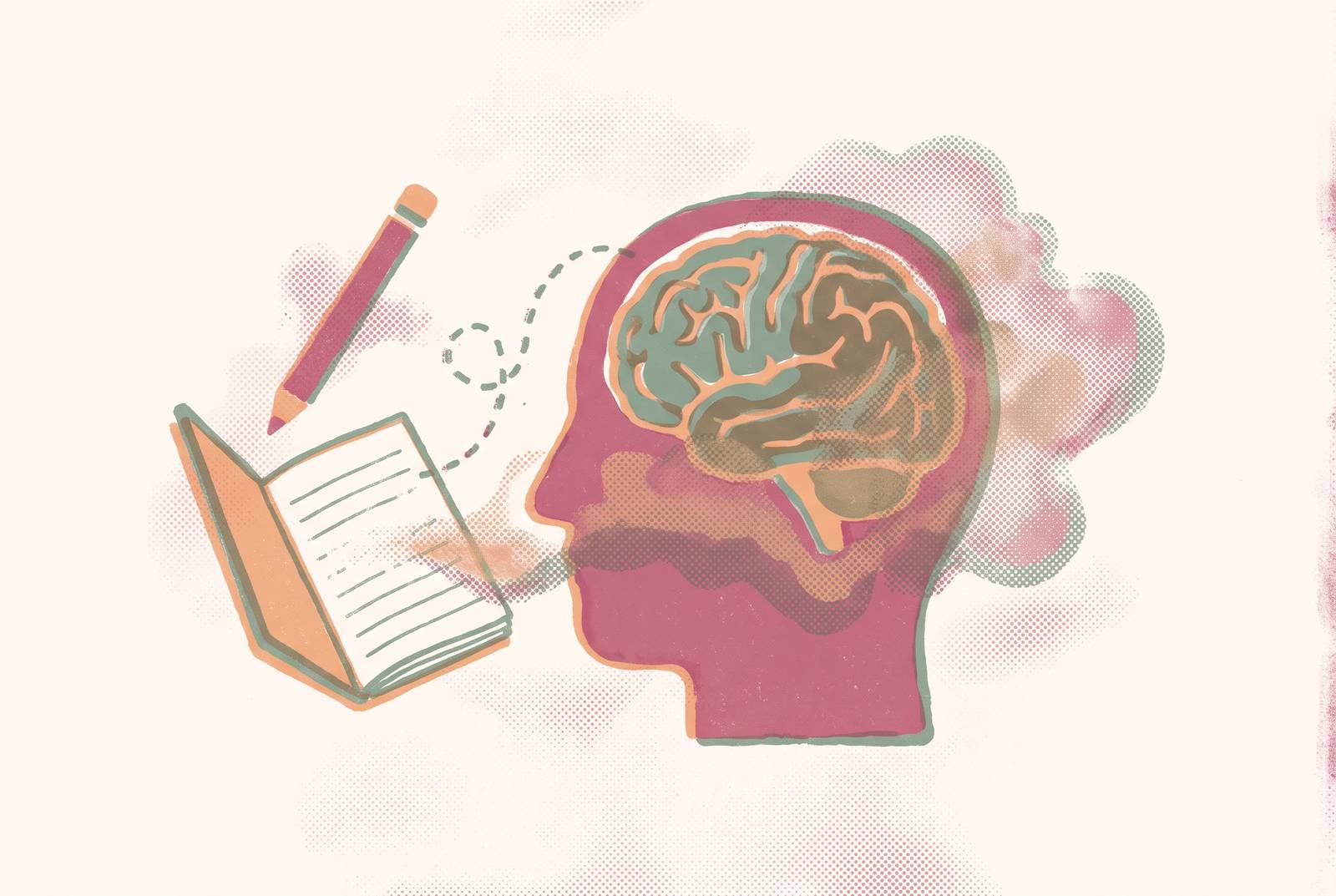
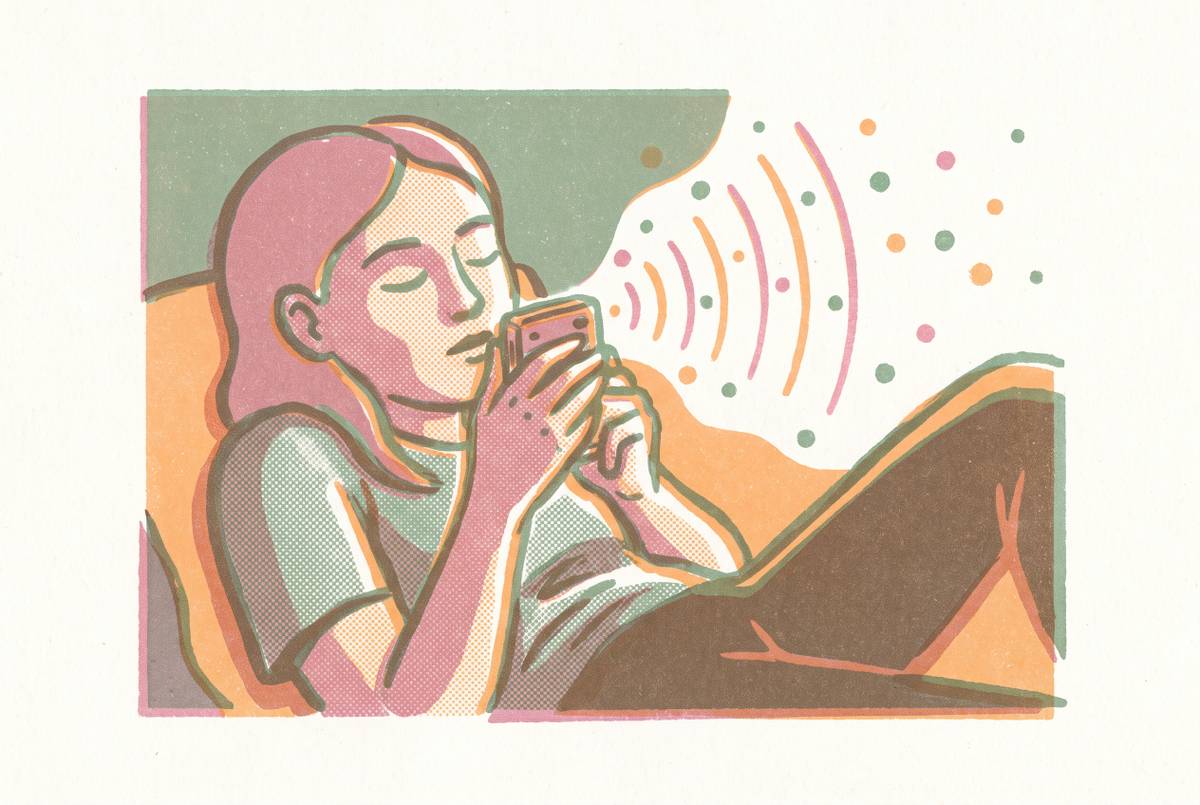
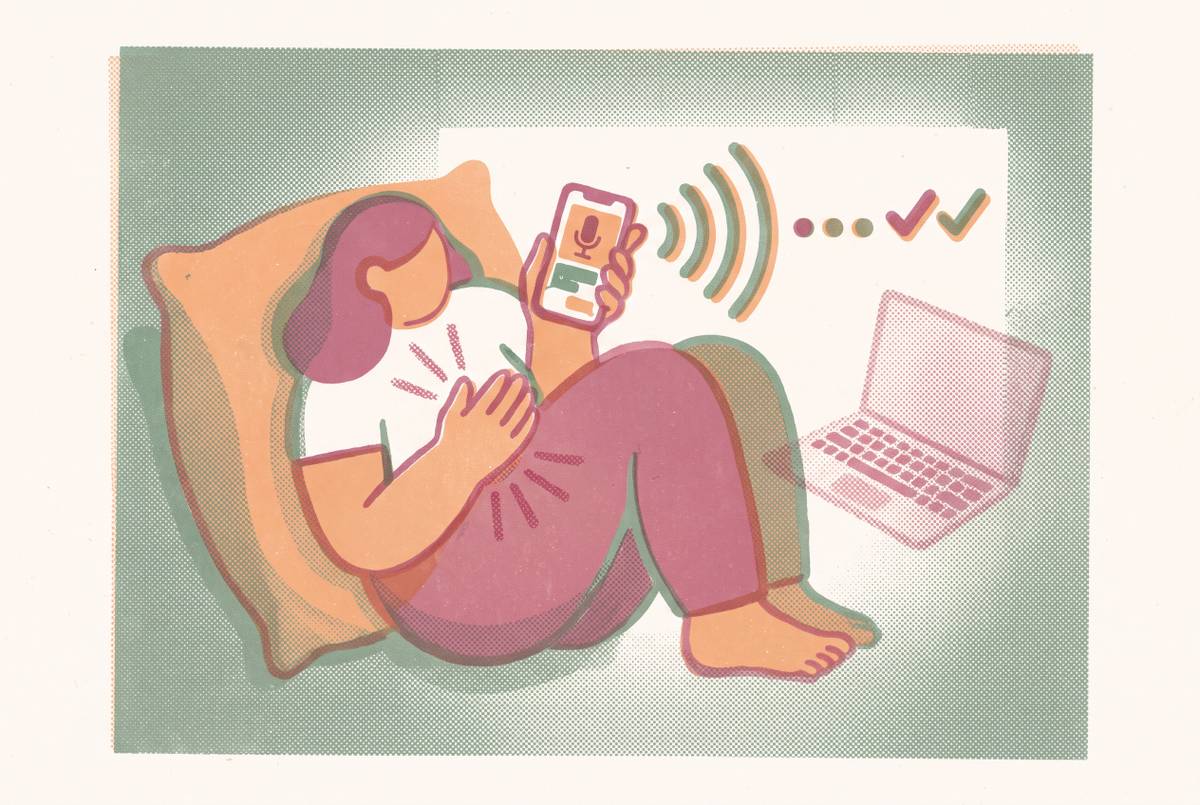
Voice symptom logging for chronic illness flares can reduce the work of capturing symptoms when typing or navigating an app is too demanding. But voice alone does not fix brain fog, which disrupts the memory, attention and language skills that logging requires. Inconsistent tracking reflects a neurological barrier, and useful tools must take on more of that work.
Why "brain fog" undersells what is actually happening in the brain
“Brain fog” sounds vague enough to dismiss. The impairments behind it are not. Denno et al., writing in Trends in Neurosciences, document this cluster of symptoms across COVID-19, ME/CFS, fibromyalgia, lupus, MS, traumatic brain injury and POTS. It is not one disease or one mechanism, but a problem that crosses diagnostic boundaries. Treating it as merely feeling distracted understates what patients are dealing with.
Research in people with post-acute effects of COVID-19 links brain fog with measurable deficits in attention, memory for events and cognitive response times, including difficulty finding words. Studies have found fewer connections between brain regions on MRI, areas with lower metabolic activity on PET and changes in quantitative EEG. Fujimoto et al.’s 2025 PET study in Brain Communications found higher AMPA receptor density in Long COVID, which was linked to how severe the cognitive impairment was. That finding about receptor density does not prove that receptor activity has increased.
Other proposed mechanisms are still being examined. Elliott et al., writing in Frontiers in Neurology, discuss neuroinflammation, disruption of dopamine function and immune system interactions as possible mechanisms in Parkinson’s disease. These remain open research questions across patients. But the uncertainty does not make the deficits imaginary. What the label blurs is a set of specific losses in the ability to handle information.
Which cognitive functions brain fog attacks — and why those are exactly the ones logging needs
Recording a symptom looks like one small task. It is actually a chain of cognitive operations. First, working memory must hold what happened long enough to record it. Then word retrieval must supply a description, while temporal sequencing places the event before or after other symptoms. Attention has to keep the entry on track, and processing speed affects how much effort the whole sequence takes.
If working memory loses the symptom detail, there is less left to describe. If the word will not come, the description can stall or lose precision. If the order of events becomes unclear, a patient may remember pain and a headache but not which came first. By the time attention gives out, the entry may be incomplete, inaccurate or abandoned.
By the time someone reaches a phone or diary, the memory of what happened and when may already be compressed or distorted. Denno’s research also distinguishes the experience of brain fog from measured cognitive performance, with fatigue and mood influencing performance deficits. Research using smartphones with MS patients also finds that the cognitive dysfunction people report does not always match what objective measurements show. Feeling capable of making an entry is not a guarantee that recall is accurate.
Immediate logging shortens the delay between an experience and its record while working memory and word retrieval remain impaired. During a flare, the symptom itself may coincide with the lowest cognitive capacity. A system that assumes patients can always capture events as they happen therefore depends on the very ability their illness disrupts. Under those conditions, gaps are a predictable consequence.
How many people this affects, and who bears the heaviest burden
The burden is broad, but it falls unevenly. Cognitive changes can affect a majority of people with MS, including memory difficulties and slower information processing. Neurologists hear about losing the thread of conversations and forgetting why someone entered a room. Those are also the kinds of failures that interrupt an attempt to record symptoms.
Long COVID research finds brain fog in a substantial share of affected people, with female patients showing markedly higher rates than male patients. Studies also suggest that people with milder acute illness can be more susceptible to persistent cognitive symptoms. In ME/CFS, cognitive difficulties are important enough to form a diagnostic criterion category under the Canadian Consensus Criteria. Across the groups affected, the burden can grow when people have more stress, fewer people to turn to, more coexisting conditions or poorer cognitive health to start with. The people asked to maintain demanding records may already have the least capacity to spare.
Why logging is a spoon problem, not a discipline problem
Even when logging is possible, it is not free. Christine Miserandino’s spoon theory puts that limit into everyday words, using spoons to stand for the energy someone has before it runs out. Each task spends some of that supply, and borrowing against tomorrow has consequences. Cognitive work uses spoons just as physical work does. Remembering, choosing words and completing an entry all compete with the other demands of the day.
For patients vulnerable to post-exertional malaise, pushing through cognitive fatigue can make symptoms worse. The aftermath can leave someone struggling to process basic information for days. Preparing for a medical appointment, attending it and recovering emotionally can already use a significant share of the day’s energy. Logging is another expense on that account.
Calling the gaps that follow a discipline problem makes people feel ashamed without helping them do more. A patient can understand the value of tracking and still be unable to afford its cognitive cost. Capturing useful information with less effort matters more than demanding more engagement. A system that asks patients to stay focused while they have symptoms works against how their bodies function.
What inconsistent tracking actually costs at the clinical appointment
A patient can arrive prepared and still lose the thread. Brain fog, fatigue and the pressure of talking with a clinician can make people lose details they seemed to have in mind beforehand. Symptoms slip out of reach precisely when a clinician needs to hear about them. Readiness does not guarantee recall.
The loss begins before the appointment if logging has been difficult. An incomplete record leaves more for memory to supply, and brain fog then makes that memory less dependable in the room. Keeping symptoms and medication reactions in mind while living through them is itself cognitive work. Intention cannot recover a memory that was never encoded. The clinician may therefore hear only a fraction of what has been happening.
Social pressure can narrow that account further. Patients who have learned to minimize symptoms or be the easy patient may compress what they say, especially when questions are treated as challenges or accommodations meet resistance. Concentration problems, memory difficulties, anxiety and depression can already receive less attention than other symptoms in conditions such as MS. When those experiences also go unrecorded, they can remain unaddressed. The tracking gap becomes a gap in the information available for care.
What the evidence says digital tools can realistically do for brain-fog-affected logging
Digital tools have a useful but bounded role. They can help capture experiences across time and organize them into patterns that are easier to discuss. Mayo Clinic’s guidance, updated in 2026, makes the limit clear for public AI tools used for symptom or diagnosis questions. They can miss important details and produce confident, factually wrong answers, with performance varying by model and even by how a question is phrased. An organizer is not a substitute for clinical judgment.
Araja et al.’s 2026 work in Life identifies three areas of digital work on cognitive dysfunction in ME/CFS, including cognitive assessment, monitoring and data integration over time, and digitally delivered intervention. Assessment has the strongest evidence base. Monitoring and intervention are less well studied, so interest in these tools should not be mistaken for proof of every proposed benefit.
With ecological momentary assessment on a smartphone, people report what they experience soon after it happens, so there is less need to rely on what they remember later. Research with MS patients has used this approach for cognitive symptoms. Wearables can add signals such as heart rate variability, activity counts and exertion levels that self-report may miss. These measurements can help show limits on energy that others would otherwise miss.
AI also has potential in medical, behavioral and emotional aspects of chronic illness self-management. For logging, its bounded contribution is organizing information and flagging possible patterns, such as pain scores rising after high activity. A patient may forget those links over time. They remain correlations. The tool should provide structured information for a clinician.
What tools must do differently when a flare makes typing too exhausting
Tools must reduce the cognitive work of capture beyond changing the input method. Voice symptom logging should let someone describe what is happening in ordinary language without navigating menus, selecting a category or spelling a symptom under pressure. Plain text should still be another way to log with little effort. For someone with fibromyalgia whose brain fog makes apps difficult, natural-language capture offers a different demand from a form full of required choices. With voice, someone can skip typing but may still have word-finding difficulties.
Capture is only the first design requirement. A tool that stores entries but leaves all interpretation to the patient shifts the burden to interpretation. Pattern surfacing should help connect records of sleep, activity, medication and symptom severity without requiring the patient to analyze everything unaided. Doctor-ready summaries should turn that history into a readable account.
The Finnish MS registry shows how an institution can make recording cognitive symptoms part of its usual work. Its August 2025 publication describes embedding the Symbol Digit Modalities Test, assessed by a nurse, into the registry and the patient-reported Multiple Sclerosis Neuropsychological Questionnaire into its MyMS interface. Both are validated cognitive screening tools. Other validated measures were included too, rather than leaving cognitive symptoms as an optional extra. The authors note that most countries do not yet take this approach.
Energy-aware design also needs to accommodate missed entries. Low-burden capture modes, reminders calibrated to capacity and the absence of shame cues are requirements for patients at risk of post-exertional malaise. Consistency cannot be demanded regardless of its cost. Community connections can also reduce the isolation that compounds the cognitive and emotional weight of illness. A tool’s usefulness depends on how well it fits the person’s limits.
Reframing what "good enough" logging actually looks like for people with brain fog
Consistent, detailed, retrospective daily tracking assumes a dependable supply of memory, attention and energy. Brain fog makes that assumption unreliable. Measuring patients against it turns a tool’s demands into a judgment about their effort. The more useful standard is whether a record preserves something that would otherwise be lost.
An incomplete voice note can meet that standard. It may record part of a flare that someone would forget later, without asking them to give a polished account. Partial information does not become worthless because other entries are missing. Logging should support pattern recognition over weeks. Sparse captures that remain manageable can offer more than a perfect week followed by months of guilt-driven silence.
That is a reason to keep the door open while maintaining expectations for care. Advocacy tools need to meet patients at the cognitive capacity they actually have, including on bad days. Inconsistency has a name and a mechanism. When the design demands more than the brain can give, a different tool is needed.
Sources
- Frontiers
- Defining brain fog across medical conditions - Masud Husain
- Mechanisms, Effects, and Management of Neurological Complications of Post-Acute Sequelae of COVID-19 (NC-PASC)
- Digital Approaches for Managing Brain Fog in Myalgic Encephalomyelitis/Chronic Fatigue Syndrome (ME/CFS): Interventions, Monitoring, and Future Directions - PMC
- Prevalence and long-term outcomes of brain fog and cognitive impairment in individuals with long COVID: A systematic review - PubMed