When a Fibromyalgia Flare Makes Typing Feel Impossible, Here Is How to Still Log It
Voice memos and simple templates let you log flares without draining precious energy.
When a fibromyalgia flare makes typing impossible, voice symptom logging can capture pain, fatigue, sleep, and lost function without a written entry. If speaking is too much, a number, symbol, or single-tap template can preserve the basics. The best flare-day method is the one that records useful information without spending energy you need to get through the day.
Why a fibromyalgia flare makes the act of logging so hard
You look at a blank logging screen and cannot begin. The pain is there, but the words will not come, or your hands hurt before you finish the first field. Fibro fog disrupts the exact tasks the screen demands, including recalling the morning, finding words, and holding a thought long enough to type it. The symptoms that need recording block the recording itself.
That collision is physical as well as mental. Aching all over, deep fatigue, sensitivity to light and sound, and changes in mood can all come with a flare. Pain in the hands, arms, and shoulders makes typing an exertion. Even a straightforward app can demand more concentration than you have available.
Fibromyalgia involves nociplastic pain, in which the central nervous system becomes hyper-responsive. During a flare, heightened sympathetic activation can amplify pain perception, so pushing through discomfort is not a cost-free choice. For many patients, post-exertional malaise adds another constraint. Overexertion, including cognitive effort, can bring a crash hours later, so writing a detailed account today may leave less energy for tomorrow.
Why logging on hard days still matters, even when it hurts to do it
A diary containing only good days gives a distorted picture. The contrast between your baseline and your flares helps show the pattern and severity of your condition. Without the hard days, a clinician sees only what happens when you can manage the recording. Those missing entries may represent your greatest limits.
Flare logs also preserve details that fade once the episode passes. A poor night of sleep two days before, a weather shift, or overexertion may be hard to reconstruct later. Recording them gives you something concrete to compare across weeks. A repeated pattern of activity followed by a crash can make the boom-and-bust cycle visible enough to inform pacing.
But could tracking symptoms make you focus on pain more? Cognitive-behavioral pain models recognize that sustained attention to symptoms may reinforce hypervigilance and amplify pain perception. A brief record of useful facts limits prolonged scanning or repeated analysis of every sensation. If the worst-day information is worth preserving, the method must cost almost nothing.
How the spoon theory framework should shape the choice of logging method
Christine Miserandino created spoon theory in 2003, giving people a shared way to talk about how chronic illness limits the energy they have. Applied to logging, spoon theory favors the method that captures enough for the fewest spoons. Opening an app, choosing fields, and composing an entry all count toward that cost.
Choose for the worst day. A method that works only when concentration and hand movement are easy will fail precisely when the record is most useful. Pacing means stopping before you feel tired because the effects of effort can come later, and you need to count mental tasks too. One field now and another later can be more manageable than finishing a journal entry in one sitting. Being able to do it is not enough when it costs too much energy.
How do you track symptoms during a flare when you are too exhausted to type?
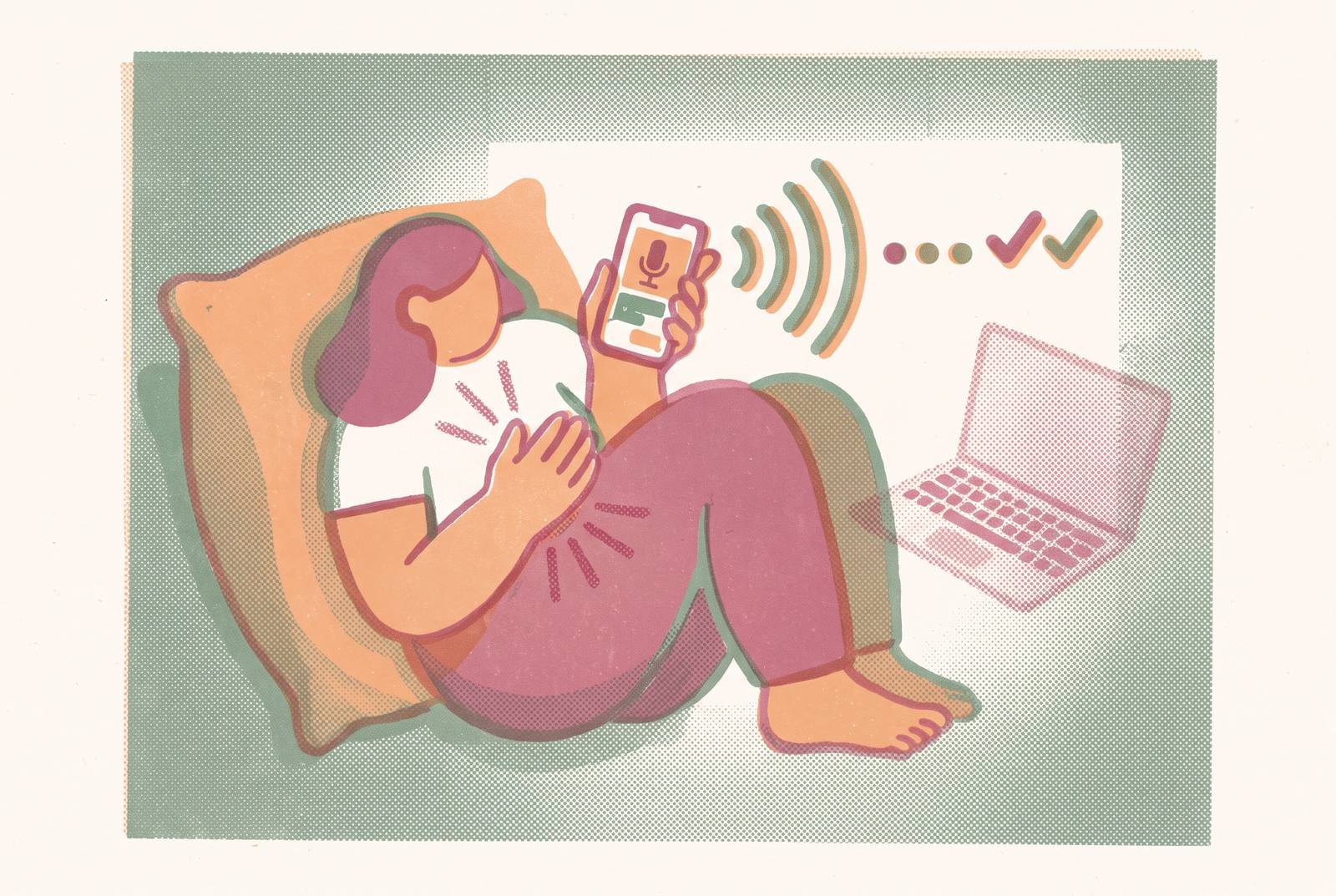
Voice is the lowest-barrier starting point when typing is the main obstacle and speaking is manageable. It removes fine motor work and the need to construct sentences on a screen. You do not have to keep a thought in mind while spelling it out or arranging it into fields. A sentence can ramble and still hold useful facts.
Start with a voice memo if that is what you have. Speak the pain rating, where it hurts, how you slept, and what the symptoms stopped you from doing. A seven for pain, sore hands, poor sleep, and being unable to make lunch can be enough. That flare-day record is complete as it stands, with no need to turn it into polished writing later. Voice can also hold a question for the next appointment before fibro fog takes it away.
An app that keeps voice entries together and makes them available for later review is more useful for tracking patterns than a general assistant that merely accepts spoken requests. Speech input alone is not a health journal.
Research at the University of Catalonia found that AI could take what patients wrote and sort details of their symptoms, including pain severity and disability level, into structured information, with assessments close to those made by human experts. That supports the possibility of turning unstructured accounts into useful data, but it does not establish the accuracy of every voice tool. The Long COVID Companion App, registered as ClinicalTrials.gov NCT07156994, is studying voice biomarkers and offers voice journaling with a medical diary and graphical symptom reports. Its research context is Long COVID, leaving effectiveness for fibromyalgia unproven.
Shorthand, templates, and pre-built formats for days when even speaking is too much
Voice is not always the low-effort option. Sensory sensitivity, fatigue that affects speech, or your surroundings can make it difficult. On those days, use the smallest text-based entry you can manage. A single pain number on a 0–10 scale and a single energy number can form the whole log. If only one number is possible, that still records something useful.
With symbol shorthand, there is no need to find words. A red circle can mean pain is high, and a half-moon can mean sleep was poor. Decide what the symbols mean on a better day so that using them during a flare requires only recognition. The code only needs to be clear enough to understand later, without a symbol for every possible symptom.
A pre-built template gives the log more structure without the need to write sentences. Its core fields can cover pain level, energy level, sleep quality, activity level, stress, and anything unusual, using numbers, checkmarks, or single taps where possible. These fields are optional. Set the minimum in advance as part of a flare plan, when concentration is better and decisions are easier. If filling it all in at once takes too much effort, fill in some fields in the morning, some at midday, and some at night.
What to actually record during a flare, and what to leave out
Record pain level, fatigue, the previous night’s sleep quality, any obvious trigger or unusual event, and mood or anxiety level. Add pain locations when you can manage them. Those details help show patterns without the need to tell the story of the whole day. Keep the entry as short as your chosen method allows. Leave a field unfinished rather than turning a small task into sustained exertion.
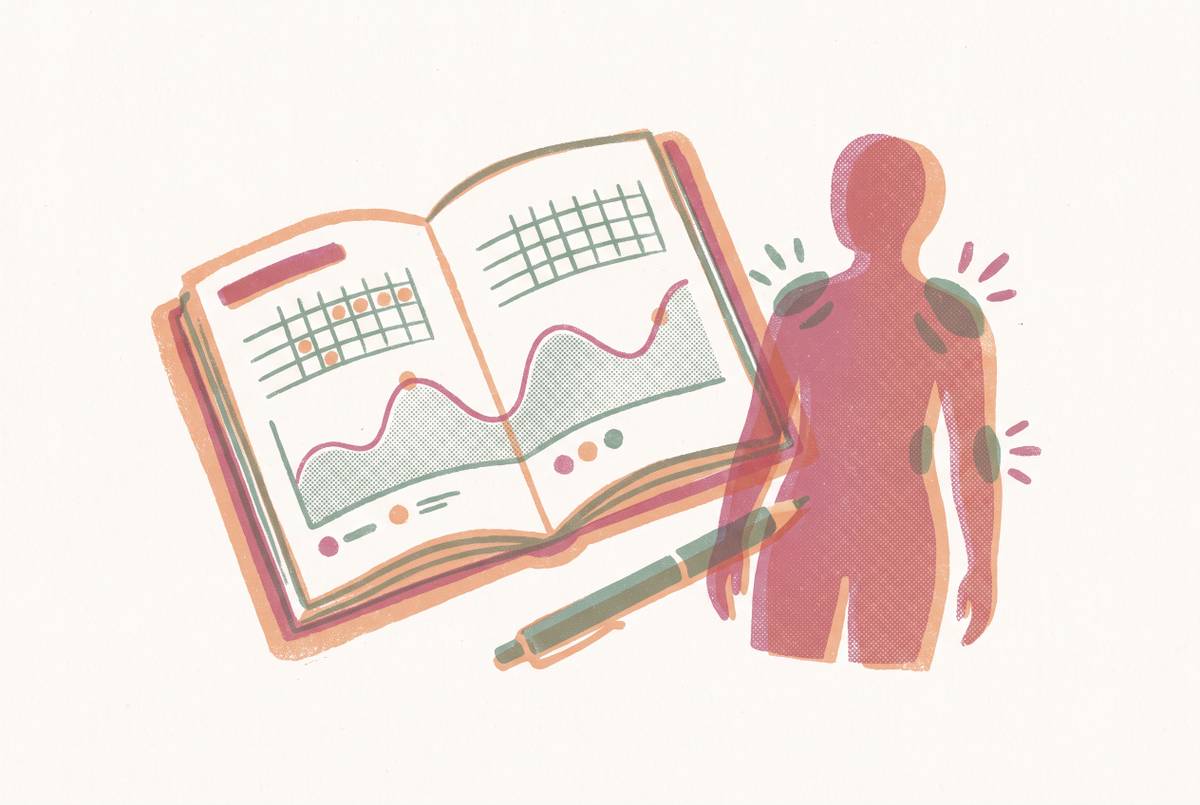
Current fibromyalgia diagnostic criteria require pain across at least 4 of 5 regions, which are left upper, right upper, left lower, right lower, and axial. A severity rating with specific locations gives a clinician more to work with than “bad pain” alone. A log can document that distribution over time, although it does not replace a clinical assessment.
Keep mood in the picture when possible. Emotional distress is part of the flare experience. A short mood or anxiety rating can go beside pain and fatigue without needing a journal entry of its own. If symptoms stopped you from doing an everyday task, note that in a few words too. Function makes the effect of a flare concrete.
Validated questionnaires give a set of questions to check against the log now and then, without the need for daily detail. The Fibromyalgia Impact Questionnaire (FIQ), Brief Pain Inventory (BPI), and Central Sensitization Inventory (CSI) can produce information without narrative writing. The CSI covers unrefreshing sleep, cognitive difficulties, and sensitivity to light and sound.
Leave detailed prose, exhaustive trigger analysis, and dietary logs for better days. The same applies to any field that requires sustained concentration. One entry per day is enough, even if it is put together a bit at a time. The goal is consistency across weeks. A possible trigger needs recording.
How flare-day logs become the evidence that changes clinical conversations
A few weeks of minimal entries can give an appointment a firmer starting point. Instead of relying on how you happen to feel during the visit, the record shows variation across ordinary days and flares. It also preserves details that are difficult to retrieve under pressure. When consultation time is limited, that compression is useful.
The strongest use of the record is often functional impact. Pain ratings describe severity, but an account showing that on four of seven logged days you could not prepare a meal or shower without resting afterward describes what that severity meant. It connects symptoms to daily limits. That gives the clinician a more concrete account than a symptom list alone, without requiring you to deliver a long explanation.
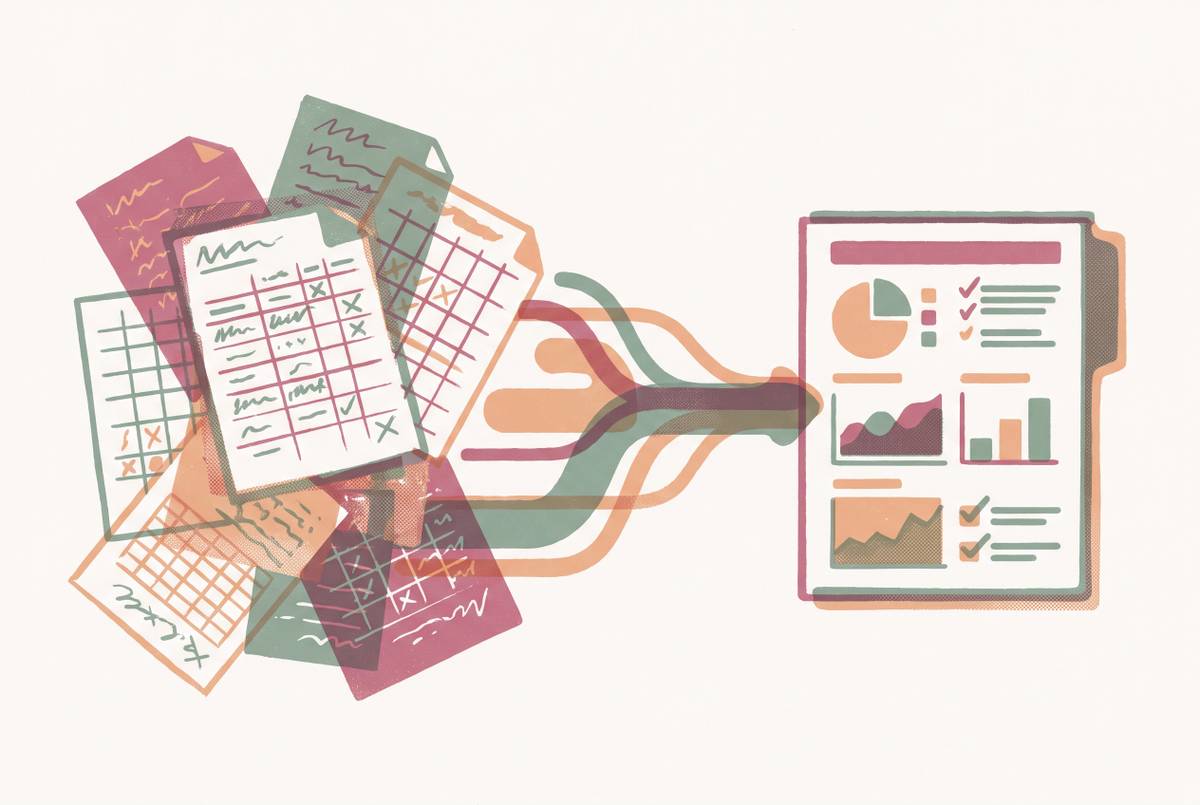
To make the record useful at the appointment, bring an organized summary on screen or on paper. Digital tools that generate reports or graphs can reduce the work of turning separate entries into a visible pattern. They spare you some of the effort of gathering and explaining details you already recorded, while the summary serves as a cognitive aid if fibro fog interferes in the room.
That changes your starting position in a small but meaningful way. You arrive with an account that exists independently of your ability to recall it that day. You are no longer trying to reconstruct a month of suffering while exhausted and in pain. The appointment can begin with the record, rather than with the struggle to remember enough to be understood.
The emotional weight of logging on the worst days, and why imperfect records count
A missed log can be the predictable result of pain, fatigue, and fog interfering with a task that needs movement and thought. Yet a blank day can still bring guilt, especially when tracking has been presented as something a responsible patient should always do.
Depression and anxiety are part of the experience of fibromyalgia for many patients. A 2025 analysis found that 51% of fibromyalgia patients worldwide have clinically relevant symptoms of depression. Adding frustration or guilt to a flare can worsen mood and create the opposite of the support a log is supposed to offer. More recording is not automatically better recording.
The blank days can be part of the conversation about when logging became unmanageable. Minimal entries on either side remain useful. The effort already made is not erased because the next day was too hard.
The isolation of chronic illness can make this struggle feel private and personal. Knowing that other people with fibromyalgia face the same collision between symptoms and recording can reduce that sense of failure. There is no need to earn the usefulness of a small entry by producing a bigger one later. On the worst day, a number can be enough. On a day when even that is impossible, the record can wait.
Sources
- Using Natural Language Processing and Social Media Data to Understand the Lived Experience of People with Fibromyalgia
- The Voice of Endo: Leveraging Speech for an Intelligent System That Can Forecast Illness Flare-ups - PMC
- Identification of Vocal Biomarkers to Monitor the Health of People With a Chronic Disease
- ViewPoint Evidence-Based Self-Management Strategies for Fibromyalgia: