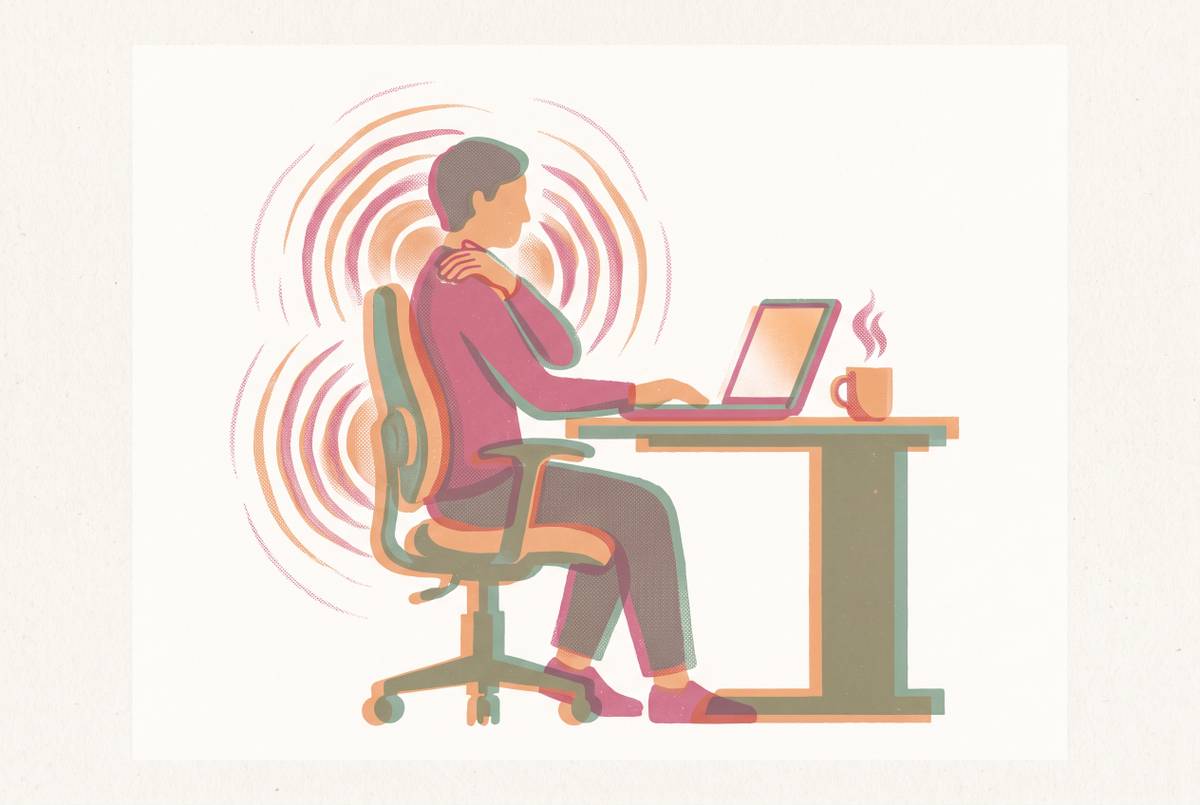
Fibromyalgia Cognitive Symptoms and Fibro Fog in Daily Tasks
Brain fog in fibromyalgia involves real cognitive changes, not just fatigue.
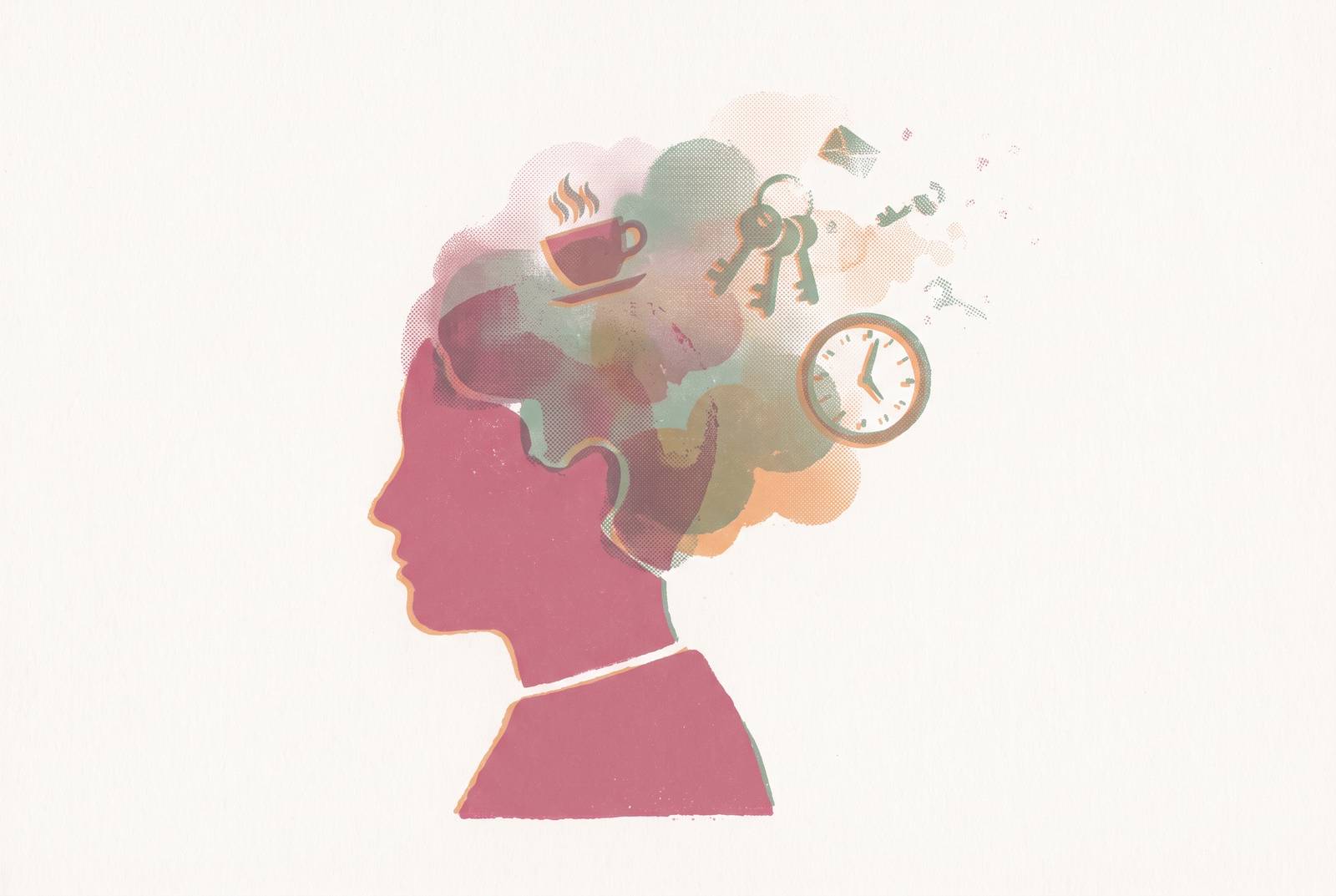
Fibro fog isn't a vague complaint people toss out to explain a bad day. It's a documented set of cognitive problems, hitting memory, attention, processing speed, and executive function, that shows up in 70 to 80 percent of people with fibromyalgia. That makes it one of the condition's most common symptoms, not some footnote to the pain, and treating it as an afterthought is exactly where most care plans go wrong.
Patients describe it as thinking through mud. Words vanish mid-sentence. There's a strange disconnect from the room they're standing in, and then there are days when the fog just lifts for no clear reason. Research from Jennifer Glass and Denise Park (published via fmaware.org) found something that reframes the whole conversation: fibromyalgia patients performed on certain cognitive tasks like healthy adults twenty years older. That sounds like early aging, but it isn't. Aging usually slows processing speed. Fibro fog hits working memory and executive function instead, pointing to trouble in the frontal lobe and attentional networks, not the memory-storage failure you see in Alzheimer's. Chalking this up to tiredness or anxiety means ignoring what's actually happening in the brain.
The neurobiology driving the fog: central sensitization, sleep, and the pain-cognition loop
Central sensitization is where this starts. A leading pain research organization now classifies fibromyalgia pain as "nociplastic," meaning it comes from the central nervous system misreading its own signals, not from damaged tissue. The same faulty wiring that cranks up pain also floods the brain's attention systems with noise it can't filter out.
Here's the mechanical problem: pain signals never stop, and managing them eats up real cognitive resources. The brain spends its day handling nociceptive input around the clock, which leaves less room for working memory and focus. Add depleted neurotransmitter supply on top of that, and the brain loses its ability to screen out irrelevant input. That's what cognitive exhaustion actually is. Not a mood. A filtering system running on empty.
Brain imaging backs this up. Studies show cortical thinning in the left superior frontal gyrus and superior parietal lobule, both key parts of the default mode and frontoparietal networks. These are structural changes, not imagined ones, and they line up with exactly what patients describe.
Sleep makes everything worse. About 90 percent of people with fibromyalgia deal with a sleep disorder, whether that's insomnia, restless legs, or sleep apnea. Without deep sleep, the brain can't consolidate memory or repair cells, and pain thresholds drop further. That drop feeds more pain, which feeds more fog. Pain, sleep disruption, and cognitive dysfunction form a loop that keeps feeding itself. Treating the fog on its own, without touching the sleep problem or the nervous system dysregulation underneath it, rarely works, and any plan that skips this step is treating a symptom of a symptom.
There's a metabolic piece too. Mitochondrial dysfunction and oxidative stress in skeletal muscle contribute to post-exertional crashes, so even mild physical activity can trigger post-exertional cognitive symptoms.
What the research actually shows about objective cognitive deficits, and where the evidence gets complicated
The lab data holds up fairly well. A 2024 case-control study published in Life, with 130 fibromyalgia patients and 111 pain-free controls averaging 54.96 years old, found worse cognitive performance and executive function in the fibromyalgia group, even after controlling for anxiety, depression, and sleep quality.
A 2026 case-control study in Brain Sciences used the Montreal Cognitive Assessment on 47 fibromyalgia patients and 19 matched healthy controls. Cognitive dysfunction showed up in 72.3 percent of patients, versus 5.3 percent of controls (p < 0.001). MoCA scores tracked inversely with pain, depression, and sleep disturbance, and in the multivariate analysis, pain severity and depression each independently predicted lower scores. That rules out simple reporting bias.
Then the picture gets messier. A 2018 controlled trial in PeerJ found no major difference in working memory between fibromyalgia patients and healthy participants under lab conditions, despite patients reporting serious cognitive trouble in daily life. A 2025 systematic review and meta-analysis on working memory, published in Applied Neuropsychology: Adult, flags this mismatch as an open question the field hasn't settled.
The likely reason: a quiet testing room strips out everything that makes daily life hard. No competing pain signals demanding attention, no background noise, no fatigue built up from three other tasks earlier that day. One study captured this well by having fibromyalgia patients hold a conversation while standing on a balance platform. Talking while balancing made them physically sway, showing that cognitive load directly disrupted motor stability. That result reflects lived experience far better than an isolated memory test ever could.
So the gap between lab performance and real-world function isn't a contradiction that needs explaining away. It's the finding itself. And it's exactly why patient-reported experience deserves real clinical weight, even when a single test comes back looking unremarkable.
How fibro fog disrupts specific daily tasks in predictable patterns
Conversation is often where it shows up first. Patients lose the beginning of a sentence before they reach the end, forget what someone just said to them, or derail mid-thought. That maps directly onto the working memory "scratchpad" impairment described above.
Word-finding is its own separate problem. Research on vocabulary and verbal fluency has shown fibromyalgia patients scoring lower than age- and education-matched controls, pointing to impairment in language-based cognitive performance.
Multitasking isn't a skill gap here. It's a physiological limit, full stop. For someone with fibromyalgia, doing two things at once carries a real physiological cost, not a preference — the cognitive load of divided attention compounds an already-strained system.
Following multi-step instructions runs into the same wall. Executive function handles sequencing, planning, and switching between tasks, and when that system is impaired, something as ordinary as cooking a recipe, filling out a medical form, or working through a multi-step task at the office can fall apart without some kind of external structure propping it up.
Sensory environments make things worse, fast. Bright light, background noise, and strong smells push an already-strained attention system toward shutdown, which is why supermarkets, open offices, and waiting rooms drain people out of proportion to what's actually happening in them.
Mental fatigue and physical fatigue aren't the same thing, and they don't move together. Someone can have a physically calm day and still feel cognitively wrecked, or the reverse. Tools that lump the two together miss something that matters.
The variability matters as much as the symptom itself. Good brain days and bad brain days track closely with pain, sleep, and stress levels. And the stakes are real: one patient survey found 22 percent of respondents unable to work at all, and another 25 percent unable to work consistently, because of fibromyalgia. Concentration problems ranked among the most commonly reported symptoms, right alongside pain, fatigue, and sleep issues.
Why fibro fog is so hard to communicate: to doctors and to the people around you
Fibromyalgia doesn't show up on a scan or a blood test. There's no visible marker, so a patient walking into an appointment looks, by every outward measure, perfectly healthy. That puts the entire burden of proof on what the patient can manage to say out loud in fifteen minutes.
And here's the cruel part: the symptom itself gets in the way of describing the symptom. Word-finding trouble and cognitive fatigue make it harder to explain word-finding trouble and cognitive fatigue, in the exact moment that explanation is needed most. Patients in peer support communities describe this tension constantly, the frustration of trying to put language to something that's actively eating away at their language.
The diagnostic timeline shows how deep this gap runs. Patients typically wait close to a year after symptoms start before seeing a doctor about it. From there, it takes an average of 2.3 years and 3.7 different physicians before a fibromyalgia diagnosis lands. More than a third of patients, 35 percent, say their chronic widespread pain still isn't well managed under current treatment, and part of that likely traces back to cognitive symptoms never making it into the conversation in the first place.
Some progress is happening in medical training, though it's early and localized, not systemic. A 2024-2025 curriculum on communicating about invisible illness reached 35 internal medicine interns at one academic institution. Earlier research also found that trainees lean more toward physiological explanations for fibromyalgia than attending physicians do, which points to a generational shift already underway. It just hasn't reached the whole system yet, and won't for a while.
Without visible physical cues, verbal communication becomes the main tool patients have for getting their needs recognized, whether they're talking to a doctor, an employer, or a spouse.
Practical strategies that address the specific cognitive impairments fibro fog causes
Spoon theory treats physical energy as a finite, allocatable resource. Cognitive energy deserves the same treatment, which means scheduling mentally demanding tasks during a person's peak cognitive window. That window isn't always the same as their peak pain-free window, and mixing the two up is a common planning mistake.
Single-tasking should be a rule, not a nice-to-have. Multitasking carries a real physiological cost for fibromyalgia patients, so cutting it out where possible counts as a clinical strategy, not a lifestyle preference.
Tracking good brain days against bad ones, alongside pain, sleep, and stress, reveals patterns over time: which days, which hours tend to bring sharper thinking. That information lets someone schedule demanding tasks around their own actual rhythm instead of guessing at it.
External scaffolding carries the weight that working memory can't. Written lists, voice notes, and fixed routines aren't shortcuts for someone being lazy. They're substitutes for a memory system running under constant load.
Sleep deserves treatment as a cognitive intervention, not just a comfort measure. Because pain, sleep, and cognition all feed into each other, even a modest bump in sleep quality can ease cognitive symptoms, not just physical ones.
Cutting sensory load matters too. Noise-cancelling headphones, adjusted lighting, and built-in transition time between loud or bright environments all cut down the attentional tax that pushes the fog further.
Preparing for conversations and appointments ahead of time, writing down key points before walking in, covers for word-finding failures in the moment and makes sure the full symptom picture actually reaches the person who needs to hear it.
One honest caveat: no medication is approved specifically for fibro fog. Management stays symptom-targeted and multimodal, and any medication questions belong with a treating clinician, not a general guide.
How structured symptom tracking turns the fog's variability into usable patterns
There's no blood test for fibromyalgia, so the patient's own record becomes the stand-in for a biomarker. That makes the quality of self-reporting central to every decision a clinician makes about medication, pacing, or physical therapy.
Cognitive symptoms are the hardest of all to track without some kind of structure, precisely because memory is one of the things being impaired. Mental fatigue, word-finding slips, concentration quality, sensory overload: these tend to vanish from recall at exactly the moment someone would need to describe them.
Good tracking captures things pain logs alone miss:
- Word-finding trouble and memory lapses, scored separately from physical symptoms
- Daily concentration and focus levels
- Mental fatigue tracked apart from physical fatigue
- Sensory overload episodes tied to light, noise, or smell
One data point on one day tells almost nothing. A week of data showing that a bad night's sleep on Monday predicts a fog spike on Tuesday, that's something a clinician can actually act on.
Patient feedback on existing digital pain-tracking tools suggests most weren't built with the specificity this condition demands.
A handful of tools active in 2026 focus specifically on this gap. Fibromyalgia Journey, on the Apple App Store, offers daily symptom logging with visual correlations between pain, sleep, and activity, plus a weekly Fibro Wellness Score out of 100 and automatically generated weekly goals around pacing and sleep hygiene. Clarity DTX Tracker is another option in this space, designed around flare-trigger identification and pacing support. Lin Health takes a different shape entirely: a clinician-overseen care program covered by select US insurance plans, rather than a standalone tracking app.
One more option worth naming: an AI health assistant built specifically for chronic illness, developed from research conducted at Oxford and UCL and informed by more than 1,000 patient interviews. It lets someone log symptoms by text or voice, including cognitive ones like mental fatigue or word-finding trouble, then surfaces patterns across sleep, activity, medication, and daily context. It also builds doctor-ready summaries ahead of appointments, and its pacing tools run on spoon theory, treating cognitive energy management as seriously as physical energy.
That doctor-ready summary is the real bridge between tracking and being heard. Organized, longitudinal data replaces a vague description given under pressure in a fifteen-minute appointment, and it hands the clinician the trend information needed to actually adjust a care plan.
Bringing cognitive symptoms to your appointments in a way that gets them heard
The core problem is almost circular: fibro fog damages the exact skills, memory, word retrieval, sequential thinking, that someone needs in order to describe fibro fog. Walk into an appointment unprepared, and usually only the loudest physical complaint gets air time, while the cognitive symptoms go undocumented yet again.
Preparation fixes this. Write down cognitive symptoms beforehand instead of scrambling to recall them in the waiting room. Include specific examples, frequency, known triggers, and the exact daily tasks affected. That turns a fuzzy subjective feeling into something a clinician can actually work with.
Framing matters too. Saying "I lose my train of thought mid-sentence several times a day, and it means I can't follow through on multi-step tasks at work anymore" gives a doctor something to act on. Saying "I feel foggy" doesn't.
Bringing a pattern beats bringing a single symptom. If tracking shows cognitive scores drop after nights below a certain sleep quality, or spike alongside pain flares, that correlation is exactly what lets a clinician adjust treatment with real confidence instead of guessing at it.
The research itself is worth bringing into the room, too. That 2025 Brain Sciences finding, 72.3 percent of fibromyalgia patients meeting criteria for cognitive dysfunction versus 5.3 percent of controls, is hard evidence to point to when cognitive symptoms get waved off as stress or normal forgetfulness. Just knowing that number exists can shift the entire tone of a conversation.
Patients don't need to walk in with a diagnosis already worked out. They need a documented record. Interpretation is the clinician's job. Observation and communication are the patient's job, and structured tracking is what makes that half of the work possible.
Sources
- Cognitive Dysfunction in Fibromyalgia: Prevalence and Independent Predictors—A Case–Control Study Using the Montreal Cognitive Assessment Scale
- Full article: Assessing working memory function in individuals with fibromyalgia: A systematic review and meta-analysis
- Evaluation of Cognitive Performance in Patients with Fibromyalgia Syndrome: A Case–Control Study
- Cognitive Function & Fibromyalgia (Fibro Fog)
- Lived Experiences of Cognitive Dysfunction in Fibromyalgia: How Patients Discuss Their Experiences and Suggestions for Patient Education
- Alterations in cortical surface morphometry in fibromyalgia: a multi-parametric study