Connecting Wearable Data to Fibromyalgia Symptom Logs
Pairing wearable heart rate data with symptom logs reveals fibromyalgia flare patterns.
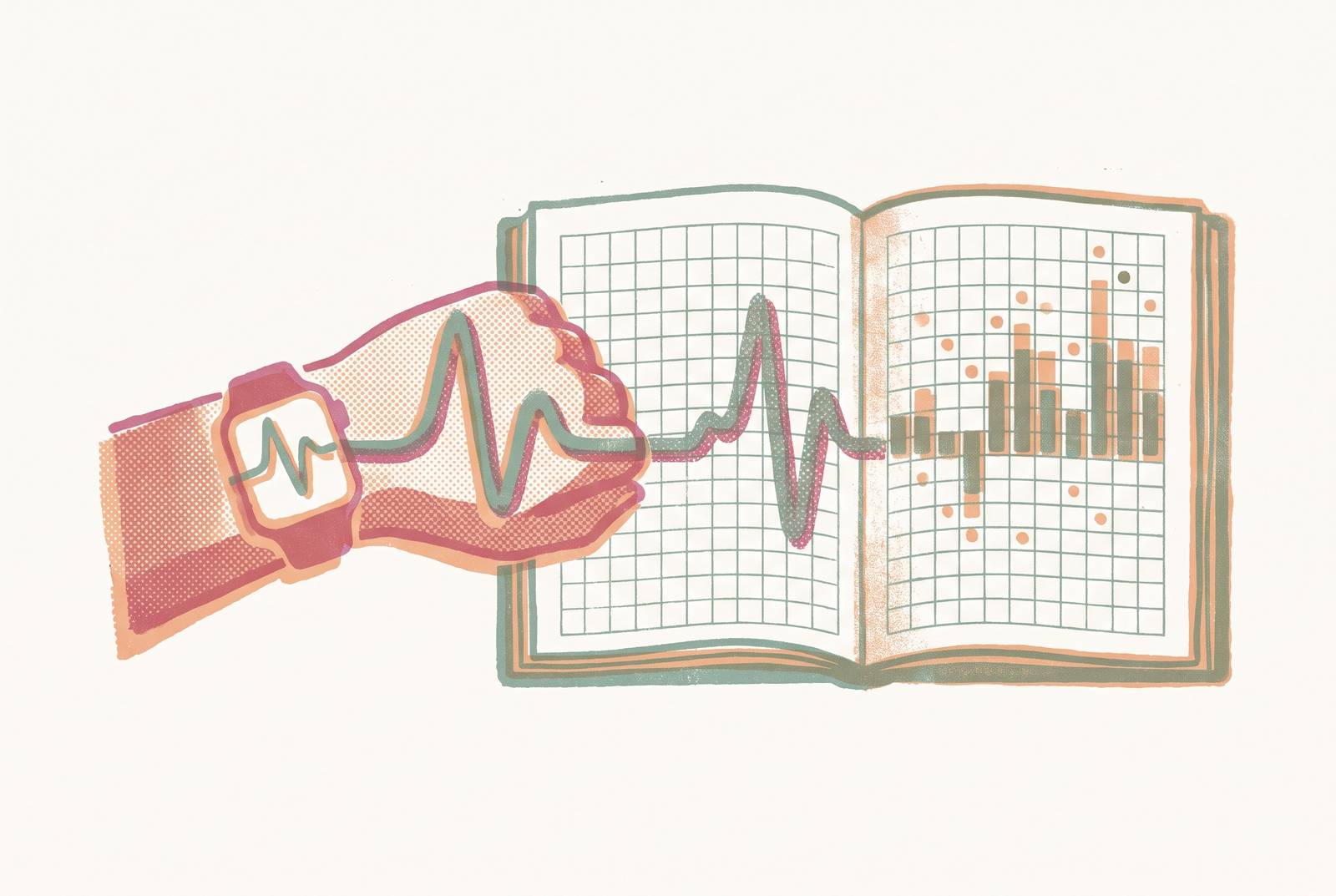
Voice symptom logging for chronic illness flares offers a lower-effort way to record pain, fatigue and brain fog when typing is too much. For fibromyalgia, looking at those logs alongside overnight heart rate and HRV data can show patterns that neither record shows on its own. Together, the records provide a dated history of what preceded a flare.
Why fibromyalgia physiology makes wearable signals biologically meaningful
Fibromyalgia involves the systems that regulate pain and the body’s automatic responses as well as the places that hurt. Central sensitisation means that the central nervous system has a stronger response to sensory input that is normal or very weak. That helps explain why pain can exist without tissue damage or a nerve lesion. Changes in central pain processing also come with changes that can be measured in how the body automatically controls functions such as heart rate.
One important disruption is sympathetic hyperactivity, meaning that the body’s activating response stays unusually high while its response to further stress can be blunted. Heart rate variability, or HRV, measures variation in the time between heartbeats. Fibromyalgia patients show reduced HRV, including nighttime changes associated with greater pain intensity. The link between the state of the nervous system and symptoms makes these overnight measurements useful beyond general fitness tracking.
How sleep heart rate and HRV predict next-day pain — what the research shows
In research on people with fibromyalgia and back pain, sleep-phase heart rate predicts how intense pain will be the next day. The study archived as PMC10843528 followed 66 chronic pain patients who provided daily pain reports over an average of 81 days while a wearable sensor monitored sleep heart rate and HRV. Pain improved when sleep heart rate was lower. Higher sleep heart rate predicted worsening pain the following day. The finding connects an overnight body signal with a later symptom, rather than simply showing that two measurements rise together.
That timing gives the measurement its practical significance. The signal comes before the next day’s pain report, so it records the state the body was in before that report. Nighttime HRV provides a complementary view, because reduced variability associated with sympathetic predominance correlates with fibromyalgia pain intensity. The same research also found that pain and mental distress at the time predicted later pain levels, while pain at the time did not predict later mental distress.
Why the 24-to-48-hour delay makes memory-based tracking structurally unreliable
By the time a flare arrives, relevant activity, sleep and resting heart rate data may already be 24 to 48 hours old. Feeling worse today therefore does not make today the right place to look for an explanation. Yesterday or the day before may hold the clue. Reconstructing those days takes either a record or reliable recall, and pain, fatigue and fibro fog make recall harder precisely when it is needed most.
Spoon theory already gives people in chronic illness communities a shared way to talk about having limited energy. But the metaphor cannot measure an activity’s delayed cost when that cost is felt the following day or later. A continuous wearable record gives that delay a visible timeline. Instead of trying to remember whether activity was unusually high, a patient can examine step count, sleep heart rate and HRV on the two days before a flare. The record preserves the part of the story that memory is least equipped to recover.
What symptom logs alone cannot surface, and why combining them with wearable data changes what is visible
A symptom log can show a pain level of 7, high fatigue and low mood. It cannot show whether sleep heart rate went up two nights earlier or whether HRV fell before pain got worse. The reverse is just as important. A wearable records physiology without knowing how much pain the person felt, and a low HRV reading could follow poor sleep, alcohol, heat, illness or overexertion. Each record leaves a gap that the other can help fill.
Matching the two by date makes a different question possible. When pain went above a chosen threshold, what had happened to sleep heart rate and HRV 24 to 48 hours earlier? Neither dataset can answer that question alone. Over weeks or months, patterns that repeat can show how much activity a person can tolerate and how long they need to rest, details that an average across people cannot give. The useful comparison is between that person’s ordinary days and the days preceding their flares.
This has particular weight in fibromyalgia because there is no definitive lab test. Clinical decisions rely heavily on the patient’s reported symptom history, rather than a blood test that confirms a flare or validates a pacing strategy. An organised record makes that history easier to review. Wearable context does not make subjective pain more legitimate, because pain does not need a device’s permission to be real. It adds information about timing and possible precursors that a symptom score alone cannot contain.
How do you track symptoms during a flare when you are too exhausted to type?
The practical response is to make the daily log small enough to use on a bad day, with voice logging available when typing is too demanding. Record pain intensity, fatigue, cognitive symptoms and mood, along with any activities or stressors that stand out. Keep the fields consistent and log at a consistent time each day. A short entry is enough to preserve the timeline. Consistency is more useful for pattern recognition than a detailed account produced only when energy allows.
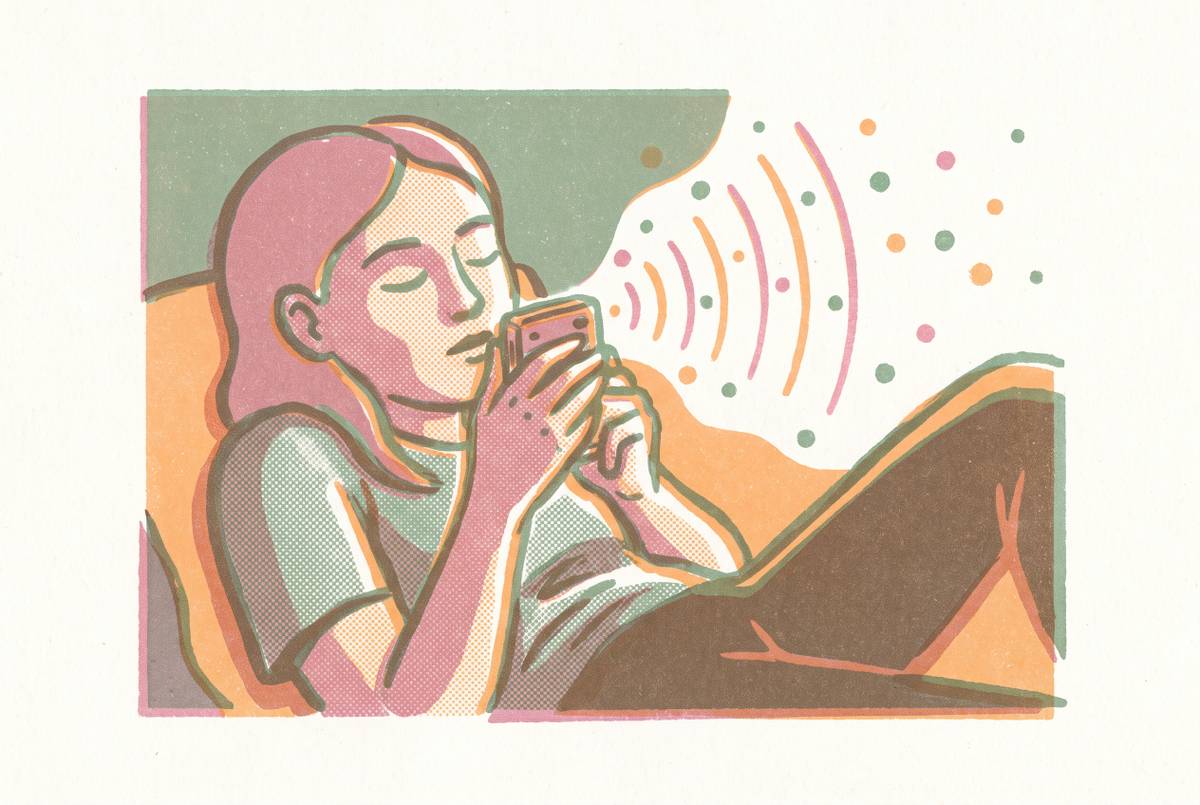
Voice symptom logging should reduce the work of recording. For example, a short spoken entry can include high fatigue, worse brain fog, pain intensity and a social event without the need for a long written account. Text remains an option when it is easier. The criterion is whether the method preserves the same basic information with less physical and mental effort. A tool that demands completeness during every flare works against that goal.
For the wearable side, capture sleep heart rate, HRV, ideally as an overnight average, sleep stages or a sleep quality score, and step count or activity level. Then review both records when pain spikes, looking back two days. Look for repetition across separate flares. Does sleep heart rate above the personal baseline repeatedly precede a flare, or does low HRV after a social event precede a two-day crash? The goal is to recognise departures from the person’s own baseline and their usual activity tolerance.
Wearable and app options relevant to fibromyalgia tracking
The named apps serve different tracking needs, so the comparison rests on what each is described as doing. Fibromyalgia Journey, launched on the App Store in December 2025, combines daily symptom logging with tools that visualise potential correlations between pain intensity, sleep quality and daily activities. It also generates PDF summaries for health specialists. Clarity DTX Fibromyalgia Tracker focuses on rating each activity with an exertion score and tracking recovery time, building a record of activity tolerance, rest intervals and activities that reduce or trigger flares.
Neither app’s description says that it has voice logging or automatic wearable import. That distinction is important for an exhausted buyer. Symptom logging, voice entry, wearable integration and report export are separate features, so an app that has one may not have the others. The available descriptions support comparing the first app’s pattern visualisation and PDF summaries with the second app’s exertion-and-recovery focus. They do not support naming a best voice-logging app.
Research devices have a different purpose from these logging tools. Mayo Clinic’s feasibility trial NCT04720053 studies the Muse-S Brain Sensing Headband for mindfulness training, and its primary outcomes are changes in Widespread Pain Index and perceived stress. Follow-up points are at day 14, 30, 90, and 180. The FibroNova neuromodulation device is the subject of registered fibromyalgia treatment trial NCT06271746, while trial NCT06960330 concerns wearable biofeedback for remote physiotherapy.
The honest limits of wearable signals and what they cannot do
An elevated resting heart rate or low HRV reading does not identify its cause. Illness, alcohol, heat and poor sleep can cause changes that look like those linked to overexertion in fibromyalgia. The signal is biologically relevant but not exclusive to fibromyalgia. The sleep-heart-rate study also included people with back pain, so its findings should not be presented as a fibromyalgia-only result. A prospective relationship across repeated observations is not the same as a reliable warning for one person on one morning.
No app or wearable directly measures available energy or detects post-exertional malaise. A readiness or recovery score is an inference about what remains in reserve. It cannot tell how much today’s activity will cost tomorrow. Because symptoms can be delayed, the strongest use of these measurements is cumulative and retrospective, through repeated links between earlier physiology and later symptoms. That is compatible with the research’s predictive finding without turning it into a promise of real-time flare detection.
Privacy deserves the same attention as convenience before committing a symptom history to a platform. Consumer wearable data is generally not protected by HIPAA, so the protections applying to medical records do not automatically extend to information held by device manufacturers or app developers. Patients should check whether an app stores data on-device or in the cloud, and whether it shares or sells data to third parties.
There is also a gap between personal tracking and clinical records. Clinical systems were not built to take in a constant flow of HRV, sleep-stage data and stress scores, so wearable information stays in separate systems. The integration work falls to the patient. An exported PDF or a summary put together by hand brings the daily tracking record to an appointment. That limitation strengthens the case for a manageable combined practice, because collecting readings without connecting them to symptoms leaves the missing work undone.
Turning a pattern record into something a clinician can act on
For the appointment, turn the daily record into a structured summary of dates, symptom changes and the wearable trends that preceded them. A report that shows sleep heart rate above the personal baseline on three occasions, with a pain spike 36 to 48 hours later, gives the clinician a clear sequence to look at. The care team can use that context when reviewing medication timing, physical therapy or pacing, rather than trying to reconstruct the sequence from a general account of feeling worse.
A purpose-built app’s summary and a manually assembled report can serve the same purpose if they make the relevant history legible. The report needs enough context to show what changed, when symptoms followed and whether the sequence repeated. As the record grows, it can also show patterns that take longer to emerge, including changes with the seasons, effects of medication timing and the load from activity that builds up over time. Those patterns can be difficult to capture in a single appointment’s conversation.
The aim is an honest record. Fibromyalgia and related chronic illness communities already share pacing frameworks and tracking strategies, so this practice builds on an existing language of self-management. Wearables and AI tools belong in that process as companions and organisers that help present the patient’s experience clearly enough for clinical judgment to work with it. The appointment is where that record can become action, with the patient better equipped to advocate for their own care.
Sources
- Night time heart rate predicts next-day pain in fibromyalgia and primary back pain - PMC
- Fibromyalgia: A Comprehensive Update for 2026 - Current Perspectives on Pathophysiology, Diagnosis, and Management
- Evaluating Mindfulness-Based Interventions With New Fibromyalgia Patients
- Wearable Biofeedback Devices for Remote Physiotherapy and Rehabilitation
- Treatment of Fibromyalgia With the FibroNova Neuromodulation Device
- Heart rate variability in patients with fibromyalgia and patients with chronic fatigue syndrome: A systematic review