What Chronic Illness Symptom Trackers Get Wrong About Bad Flare Days
Most symptom trackers fail during flare days when patients need them most.
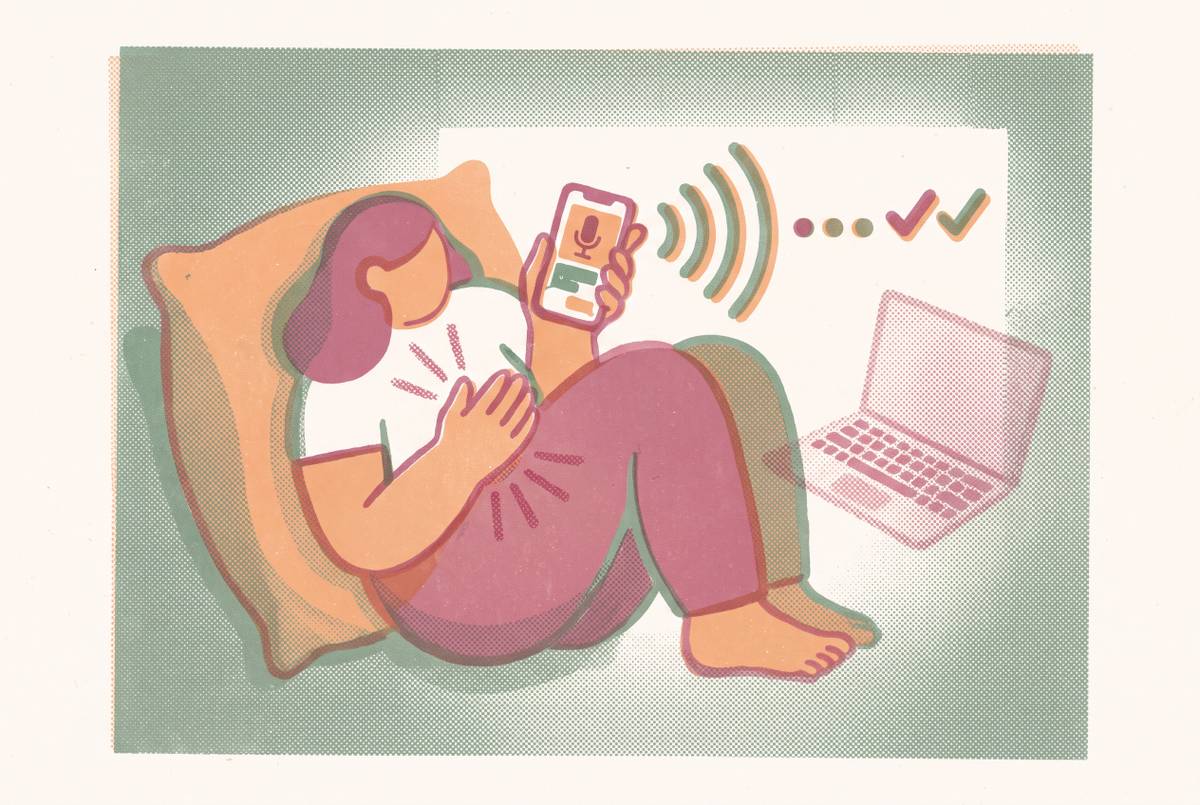
Voice symptom logging for chronic illness flares should let you leave a short account when exhaustion or brain fog makes typing too hard, without having to fill in a whole record. But easier input is only part of the answer. Most symptom trackers fail on bad days because they assume triggers happen the same day, people can keep logging, and activity records show how much energy people use. Useful tracking must leave room for delayed reactions, very short entries, and words about what a flare actually cost.
Why flare days expose a structural flaw in how most trackers are designed
On a bad flare day, you reach for the app because there is something worth recording. Then you have to choose symptoms, rate how bad they are, remember what happened, and turn an exhausting experience into tidy entries. Each step is harder with pain or brain fog. The record needs detail just when it gets hard to give it.
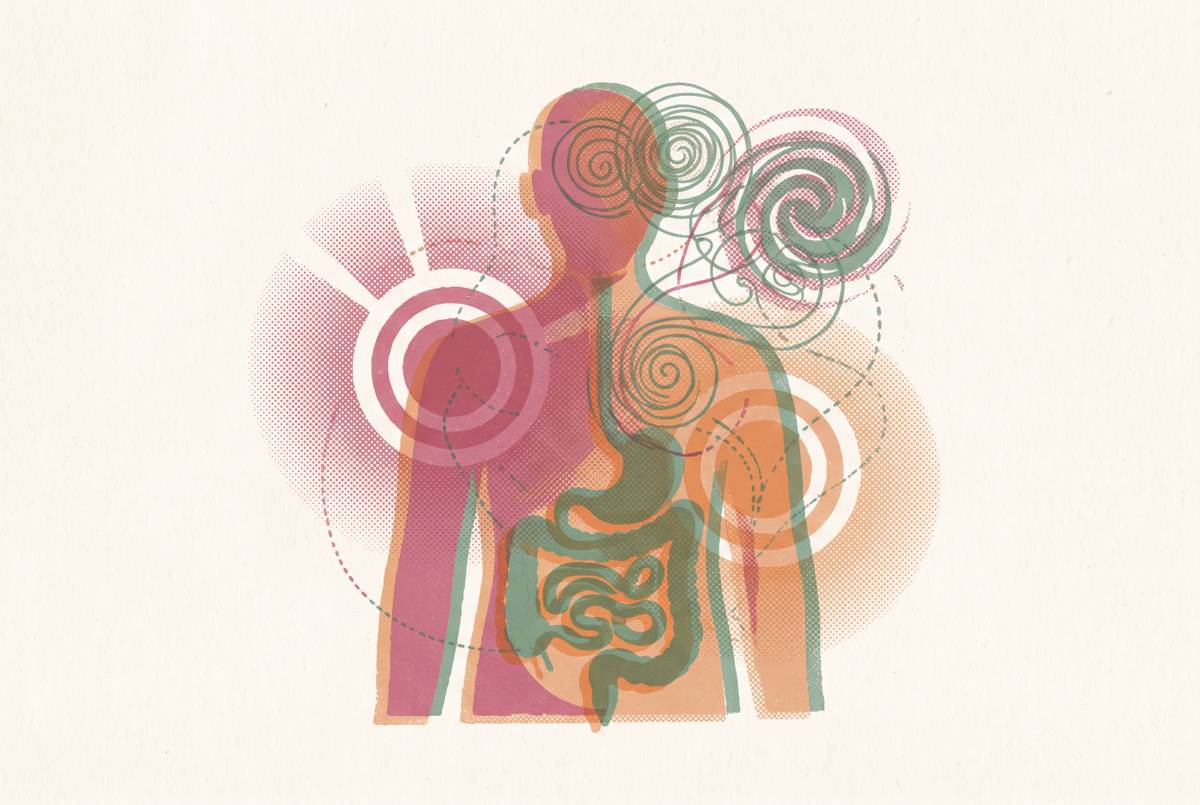
Most trackers are built around the capacity available on stable days, yet their value is greatest when symptoms become unstable. Their basic assumptions break at the same time. A same-day view can miss an earlier trigger, required entries can exceed your capacity, and an activity log can leave the resulting energy debt invisible.
Same-day causation: why the standard tracking window misses most flare triggers
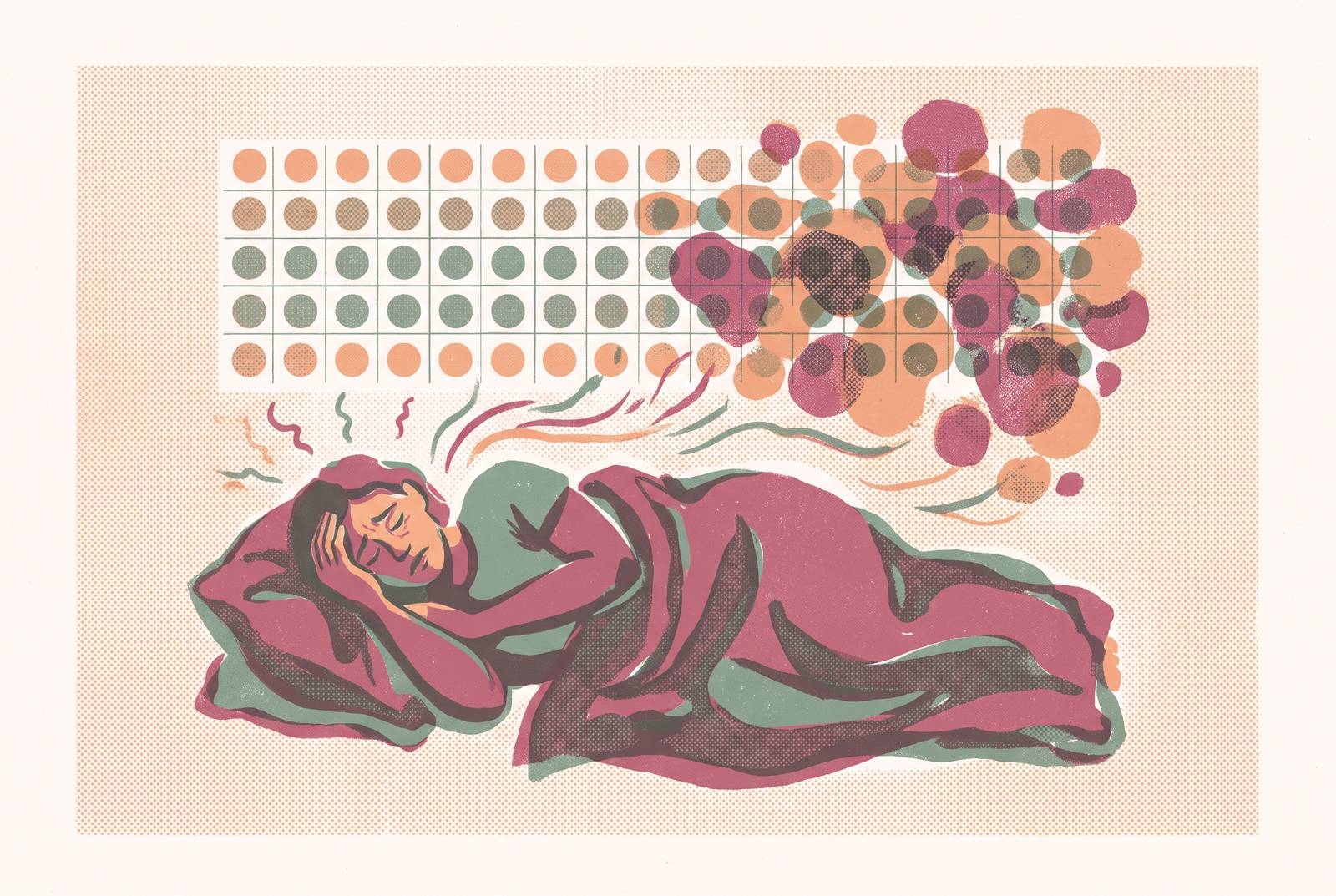
Today’s symptoms do not necessarily come from today’s events. In ME/CFS, a post-exertional crash characteristically arrives well after the exertion that caused it. A tracker that compares only events and symptoms within one day therefore looks in the wrong place. It can connect a crash to something that happened during it while overlooking the earlier exertion. The resulting correlation is not merely incomplete. It can be misleading.
Delayed reactions also complicate tracking for rheumatic flares, histamine reactions, MCAS responses, and post-exertional crashes in Long COVID. The timing mismatch extends beyond one condition. Asking how you feel today can establish severity, but it cannot by itself explain the sequence that led there. For patients looking for possible triggers, looking back at what happened two days ago may reveal more. That puts the relevant events back within view.
Davergne et al.’s 2020 research in Sensors reported that passively collected activity data could predict rheumatic disease flares with sensitivity and specificity above 95%. The signal preceded the symptoms rather than simply coinciding with them, supporting the case for passive collection across several days. That is promising, not a solved problem. The same research noted limitations including tracker adherence and unclear long-term effectiveness. Passive monitoring can help cover those days without people having to make entries all the time, but it still needs to be something people can keep using and get useful patterns from over time.
How do you track symptoms during a flare when you are too exhausted to type?
Fatigue, pain, migraine, and brain fog directly undermine the capacity needed to remember events, choose categories, and enter details. For someone logging fibromyalgia symptoms through brain fog, an app’s apparently simple form can still demand too much. Fewer taps do not remove every decision. The tool should accept the amount of information the patient can give, rather than insisting on the amount it was built to collect.
A missed entry also needs a clear meaning. Most trackers leave that absence unexplained, without distinguishing a day that went unrecorded from one when nothing happened. Those are different clinical facts. If the missing day was the worst day of the week, treating it as an ordinary blank distorts the record. A symptom log can still be useful with gaps, but making patients explain every gap gives them more work that the tool should help with.
Advice to log at your highest-energy point, connect logging to a habit, or keep entries simple can help when some capacity remains. A severe flare may leave no such window. Having to pay to make basic edits or look back at entries can make things harder when entering anything is already a struggle. A voice note, one-word entry, or single severity rating asks less of the patient, as long as it can stand alone.
Energy cost is not the same as activity: why trackers that log what you did miss how much it cost
An activity record tells you what happened while potentially leaving its energy cost unclear. That distinction is central when exertion can lead to a later crash. Two people may walk the same distance but use very different amounts of the energy they have. Without that distinction, a log can make activity look like evidence of capacity while leaving its consequences out.
Spoon theory is familiar territory for many patients. Yet most trackers do not build its energy budget into their basic logic, leaving no clear way to record debt that extends into the next day. “Knife theory” names the point at which the spoon budget runs out and a person borrows from the next day’s reserves. The later crash is then a consequence of debt that a standard activity entry never showed accumulating. This is more than a missing field. It is a model of activity that leaves out how limited energy works.
The wearable findings do not erase that distinction. Davergne and colleagues linked step counts with flare risk in rheumatic disease, but steps still cannot show all the effort it took to make them. Likewise, “went for a walk” records an event without showing whether it triggered a three-day crash. That missing consequence changes how the activity should be understood in a discussion about pacing. It is also the part a clinician most needs to assess what the patient can sustain.
What the data gap costs in the clinic: how missing flare-day records degrade the patient-clinician conversation
An appointment on a better day cannot show the clinician what the worst day felt like. A symptom record could help bridge that distance, but only if it contains something from the flare. When the record leaves out delayed triggers, missing entries, and energy costs, the patient comes to the appointment with key parts of the story missing. That can happen despite serious effort to track and despite both patient and clinician taking the illness seriously.
The MS Perspectives survey, published in Frontiers in Neurology, found that patients clearly told clinicians less about their MS symptoms than they experienced and called for structured ways to help patients describe what they go through. The survey also found that a disproportionate number of people with secondary and primary progressive MS did not want to discuss bladder and bowel control with their physician, despite those symptoms being among the most disabling. Previous dismissal of subjective reports can also lead patients to downplay severity, making a usable flare-day account especially valuable.
The Expanded Disability Status Scale, the standard clinical measure for MS, has limitations including low sensitivity to year-on-year change and high variability between raters. Patient-reported information could help fill those gaps, but not if the hardest days remain undocumented. The UCSF MS FIT study combines electronic health records, wearable data, patient-reported outcomes, and community-level information for falls tracking.
When tracking itself becomes a burden: the emotional and psychological cost of monitoring during flares
Symptom tracking can become a source of anxiety, hyperfocus, and emotional burnout when the urgency to document meets the depletion of a flare. A patient may understand why an entry would be useful and still find repeated checking exhausting. That burden exists in addition to the symptoms. Trying to fill in every missing detail can make a useful record one more thing the patient has to do.
Repeated illness, uncertainty, and medical dismissal can heighten vigilance toward bodily sensations. In that setting, continual checking may become its own source of strain. Faithful logging can also be frustrating when it produces no clear answers, especially in conditions with varied symptoms and poorly understood treatment responses, including endometriosis and PCOS. Effort does not guarantee an explanation. A tool that keeps asking for more detail without accounting for that frustration adds to treatment burden.
The useful distinction is between capturing enough to support a conversation and maximizing how often someone checks their symptoms. A well-designed tool should reduce the monitoring load. The need for flare-day evidence and the need to protect depleted capacity must be handled together.
What subjective flare-day data is actually worth: the case against privileging the quantifiable
A severity score can show change, but words can show what changed. Pain that shifted from aching to burning, brain fog that prevented a sentence, or plans abandoned because of exhaustion each describes something a number alone may miss. These accounts explain the experience behind the score. Making them optional while requiring ratings creates a hierarchy that does not necessarily reflect clinical usefulness.
Ben Hofmeister, an MS columnist and patient advocate speaking at CMSC 2026, argued that subjective accounts have greater diagnostic value in chronic conditions like MS than in acute cases and deserve more weight with objective data. The MS Perspectives survey gives that argument concrete context. It found that cognitive impairment was reported almost as frequently as walking problems as the most disabling aspect of MS, while fatigue was the most commonly cited disabling symptom overall. Cognitive symptoms are difficult to compress into a rating. They are also among the symptoms likely to go under-reported in clinical encounters.
AI assistance does not automatically correct this imbalance. Models evaluated in chronic illness contexts show inconsistent ability to incorporate illness-specific psychological burden, including recurrent flares, uncertainty, and loss of control, although the mechanisms behind that inconsistency remain unclear. Unrepresentative training data can also perpetuate health disparities. Tools that surface only what can be scored risk disadvantaging people with hard-to-quantify symptoms and groups underrepresented in research.
What to look for — and what to do differently — when a tracker fails on a bad day
For patients choosing or adapting a tracking approach, the first test is its time window. Can you add an entry for an earlier day, and can it show possible relationships across 48 to 72 hours? If not, keep a brief note of significant events two days before a crash. The sequence needs to remain visible. A same-day score can still be useful, but it should not be asked to explain a delayed reaction by itself.
Can a single rating, voice note, or one-word entry stand on its own and mark the day as a flare? For voice symptom logging during chronic illness flares, that is the key criterion. Where an entry is missing, labeling the gap as a flare day distinguishes unavailable information from an uneventful day.
For energy, record the consequence as well as the activity. “Walked to the kitchen, rested afterward” is more useful than “walked” because it preserves some of the cost. Marking a crash or near-crash day also changes what the record shows about the rest of that week. For symptoms that resist a score, a short note such as “couldn’t finish a sentence,” “pain changed from aching to burning,” or “canceled two things I had planned” preserves information in plain language.
The record does not have to look complete. Its job is to help you explain delayed reactions, lost capacity, and changes that a better-day appointment might otherwise miss. Understanding the tool’s assumptions gives you a basis for deciding what to capture and what to ask for. You can choose the smallest useful account rather than force a bad day into a form built for a good one.
Sources
- Wearable Activity Trackers in the Management of Rheumatic Diseases: Where Are We in 2020?
- Charting the COVID Long Haul Experience -- A Longitudinal Exploration of Symptoms, Activity, and Clinical Adherence
- (PDF) The Spoon Theory: A Journey into the World of Chronic Illness
- The Lived Experience of Lupus Flares: Features, Triggers, and Management in an Australian Female Cohort
- Wearable devices detect physiological changes that precede and are associated with symptomatic and inflammatory rheumatoid arthritis flares
- Using patient-reported data from a smartphone app to capture and characterize real-time patient-reported flares in rheumatoid arthritis
- (PDF) Chronic Illness and Its Influence on Psychological Well-Being
- Associations Between Daily Symptoms and Pain Flares in Rheumatoid Arthritis: Case-Crossover mHealth Study