Managing Fibromyalgia at Work and Requesting Reasonable Adjustments
Invisible disability needs specificity: matching symptoms to job tasks gets accommodations approved.
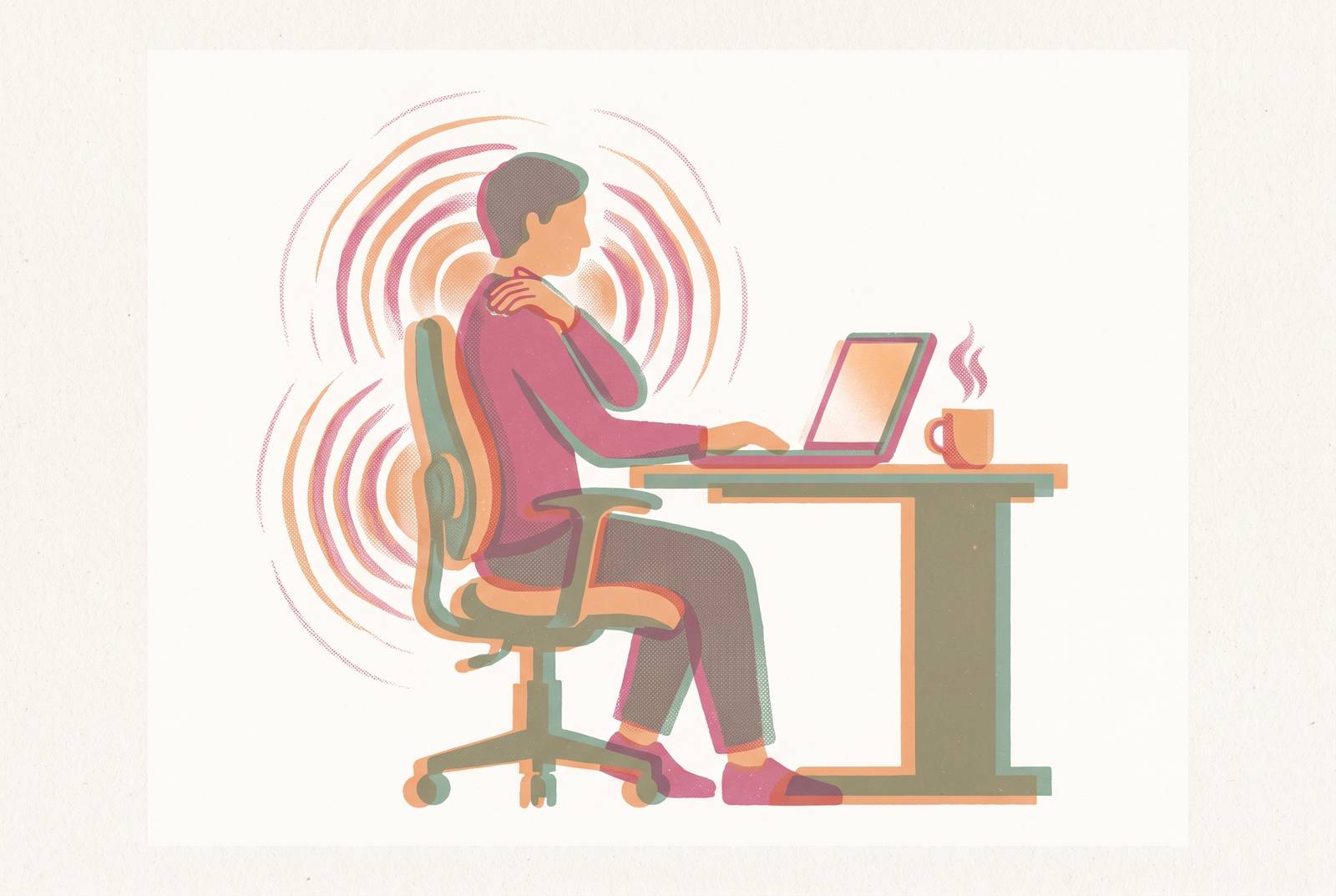
Fibromyalgia's limits aren't the same for any two people, which is exactly why standard-issue workplace accommodations keep failing. The condition is a cluster of physical and cognitive symptoms that shift day to day, sometimes hour to hour. Managing it at work comes down to three moves: map specific symptoms to specific job functions, request adjustments that match those functions, and build a paper trail that holds up if someone questions it later.
Widespread pain, fatigue, insomnia, morning stiffness, memory lapses, sensory overload: none of it shows up on a badge or a bandage. Colleagues see someone typing at a desk. They overlook what that desk work costs afterward. That's the core problem with fibromyalgia at work. It's invisible, and invisible disabilities get discounted by default, not out of cruelty but because there's nothing to look at and react to.
Two tracks run through this condition, and they don't move together. One is physical: pain, fatigue, temperature sensitivity, a nervous system that treats noise and light like threats. The other is cognitive: memory gaps, slower processing, trouble holding a thought under pressure, sometimes made worse by the medications meant to help. One person might manage the pain fine and still lose whole afternoons to fog. Another might think clearly and still can't sit through a two-hour meeting without wincing. Both hold true. Neither cancels out the other, and no single fix covers both.
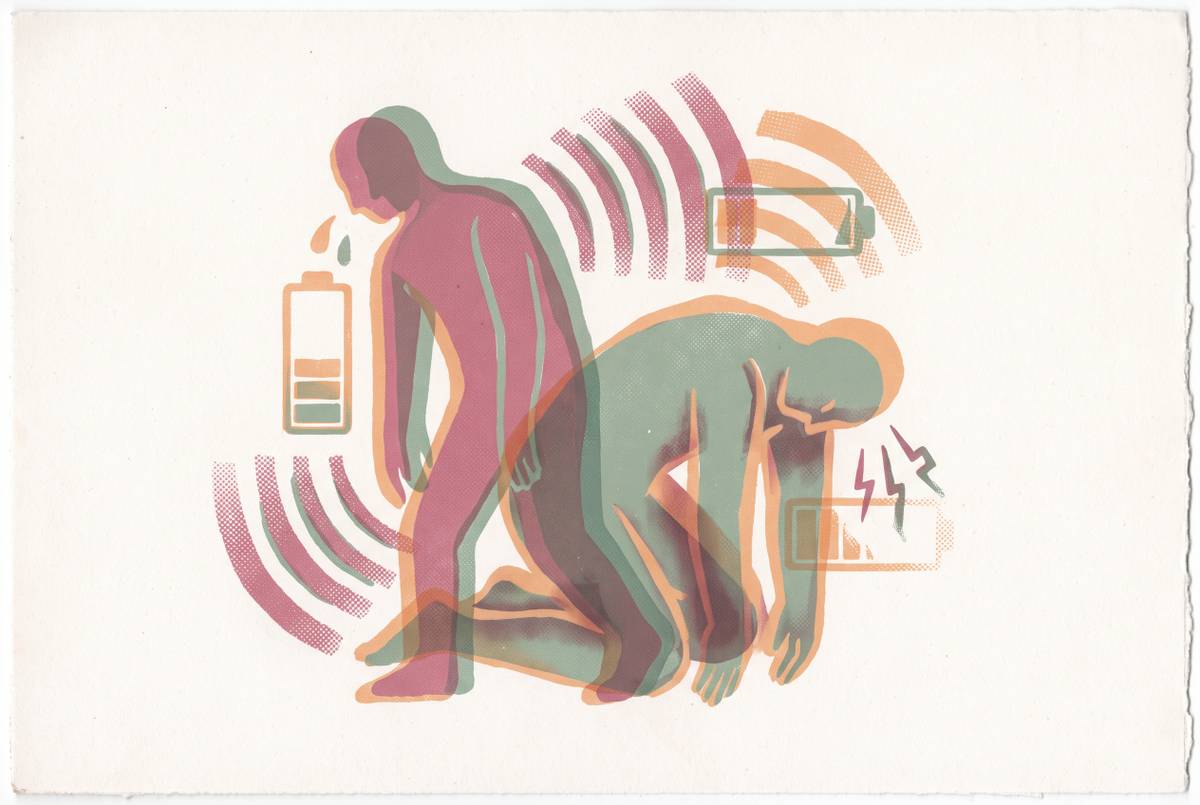
Stack the comorbidities on top, IBS, migraine, chronic fatigue syndrome, depression, and the picture gets messier fast. None of it fits one accommodation checkbox. The energy question underlies all of it: fibromyalgia doesn't hand you a stable, if smaller, capacity. It hands you a daily budget, and every commute, every fluorescent light, every hard task pulls from the same limited account. Spend it wrong before lunch, and there's nothing left by 3pm.
None of that is a footnote. It's the reason vague accommodation requests get denied and specific, evidenced ones get approved.
What the law actually says about fibromyalgia as a protected condition
US disability law doesn't list conditions by name. It defines disability by function: a mental or physical impairment that substantially limits a major life activity, walking, sleeping, concentrating, thinking, working, or a major bodily function. Fibromyalgia never appears in the statute itself. Whether it's covered depends entirely on how it affects the specific person asking for help.
The EEOC has said fibromyalgia can qualify. It hits the central nervous system, causes widespread pain, and creates cognitive trouble that interferes with major life activities. Courts, since a later amendment to the law, are now instructed to lean toward covering people, not screening them out. That's a real shift from earlier case law, when plaintiffs often had to fight just to get past the front door.
One detail gets missed constantly: an employer's duty to accommodate can kick in even when the limitation comes from a medication's side effect, not the condition itself. A nerve pain drug that causes morning drowsiness is still something an employer may need to work around.
Federal employees fall under the Rehabilitation Act of 1973 instead, which applies the same substantive standard as the ADA. It covers federal employers, federal contractors, and organizations that take federal funding.
Employers can turn down a request that creates "undue hardship," real expense or real operational strain, and that bar moves depending on company size and resources. Most people get this backwards: they assume accommodating fibromyalgia is expensive. It usually isn't. A glare screen is typically a low-cost purchase. Swapping a fluorescent bulb for a desk lamp is similarly low-cost. Letting someone start later in the morning typically costs nothing at all.
The UK's Equality Act 2010 takes a more direct approach. A national benefits agency recognizes fibromyalgia too: if it's lasted, or is likely to last, 12 months and limits normal day-to-day activity, it qualifies.
UK employers carry a positive duty here, not just "don't discriminate" but an active requirement to make reasonable adjustments. Workers dealing with reduced hours or income can look into Personal Independence Payment, Employment and Support Allowance, or, past State Pension age, Attendance Allowance. The Access to Work scheme provides government funding for support that goes beyond what an employer is legally required to provide: specialist equipment, support workers, travel costs, workplace changes.
One catch applies on both sides of the ocean: the employer has to know. In the UK, that knowledge can be formal (a disclosure conversation) or constructive (a manager who reasonably should've picked up on it from fit notes or an observed pattern). Either way, disclosure is the step that switches the legal duty on. It's not just paperwork.
Legal protection is real in both countries, but it's conditional: on functional impact, on disclosure, on documentation. A diagnosis alone doesn't flip any switch.
Mapping symptoms to job functions before making any request
Walking into HR and saying "I have fibromyalgia" gets nowhere. Saying "fibromyalgia affects my ability to sit through the 9am stand-up because of morning stiffness, and I need a 10am start" gets a conversation going. Employers respond to specific limitations tied to specific tasks, not to a diagnosis with no shape to it.
Start with the physical side. Chronic widespread pain makes long stretches of sitting or standing hard, along with lifting and repetitive motion. Temperature sensitivity turns a poorly regulated office into a flare trigger that can wipe out the rest of the day. Sensitivity to noise, light, and smell makes open-plan layouts and fluorescent lighting genuinely disabling, not just annoying. Morning stiffness lines up almost exactly with standard 9am starts, maybe the worst possible overlap of symptom and schedule you could design on purpose. And fatigue here is a distinct, more severe state than ordinary tiredness: a depletion that carries into the next day if the workload never lets up.
Cognitive symptoms, often called fibro fog, need their own list, and it's a different one. Memory trouble shows up as forgotten task details, missed steps in multi-step instructions, blank spots after a meeting ends. Concentration problems make sustained focus expensive, and background noise or interruption makes the bill higher. Slower processing speed turns tight deadlines and fast-decision roles into outsized burdens. All of it gets worse when pain spikes, when fatigue is severe, or as a medication side effect, so the interaction between symptoms matters as much as any single symptom alone.
The variability itself is data, and it's easy to underrate that fact. Symptoms swing day to day, week to week, sometimes season to season. That's a real shift in ability, not something to downplay or hide from an employer. It's the actual clinical picture, and documenting it is what justifies flexible accommodations over a fixed one-size template. A 2024 study in Healthcare by Tenti and colleagues looked specifically at fibromyalgia's workplace impact, finding effects wide-ranging enough to underscore why accommodations need to match individual circumstances.
Before requesting anything, list the five to ten core tasks of the job. Then next to each one, note which symptoms interfere and how. That list becomes the backbone of the request. It turns an abstract diagnosis into a concrete set of problems with obvious fixes attached.
The adjustments that actually address fibromyalgia symptoms at work
Environment adjustments are usually the cheapest and the most overlooked. Swapping fluorescent lighting, adding a glare screen, cutting background noise, or issuing noise-cancelling headphones all address concentration and light sensitivity without much cost at all. A desk fan or space heater, or moving a desk to a temperature-controlled spot, handles temperature sensitivity directly, and it's the kind of low-cost adjustment consistent with ADA reasonable accommodation principles. Relocating a workstation away from a busy hallway or a loud shared space helps too, when the floor plan allows it.
Ergonomics matter just as much. A sit-stand desk lets someone shift position through the day instead of locking into one posture that grinds on pain. Supportive or reclining seating gives relief on the worst days. An occupational health ergonomic assessment can catch role-specific risks that stay invisible until someone actually watches how the job gets done.
Scheduling adjustments probably carry the most weight of any category. Flexible start times deal with morning stiffness head-on, letting someone start later on a rough day with no penalty attached. A schedule that shifts in response to symptoms, instead of locking into one fixed alternative pattern, respects how unpredictable flares actually are. Structured rest breaks, beyond the legal minimum, stop energy depletion from compounding across a shift. Remote or hybrid work cuts the commute cost and hands back control over the physical environment. Reduced hours or a phased return after a flare work differently than standard sick leave: it's a bridge back to full capacity, not a hard stop.
Cognitive supports round it out. Written instructions and meeting summaries take the pressure off memory recall. Task management tools and scheduled check-ins support concentration on the days when fog sets in heavy. Extended deadlines during a flare, or shifting complex reporting to a lower-symptom window, keep output realistic without cutting corners on quality.
Research on pacing in conditions like Long COVID consistently identifies it as a key strategy for keeping symptoms from spiraling, and that finding carries straight over to fibromyalgia. Accommodations that make pacing possible, breaks, flexible hours, workload variation, aren't a courtesy handed to a struggling employee. They belong in the same category as a treatment plan, backed by evidence, not goodwill.
The strongest setups rarely lean on one lever alone. Someone working from home with flexible hours and scheduled breaks gets layered coverage that no single adjustment, by itself, could match.
How to make a credible, documented accommodation request
Disclosure has to happen before any legal protection kicks in, in the US or the UK. That's simply the order things go in, and it's a reason to walk into the conversation prepared rather than caught off guard, treating disclosure as a strategic move instead of a confession.
Before the meeting, decide whether to bring support: a colleague, a union rep, or an occupational therapist. UK guidance specifically recommends this, and it changes the dynamic of the room for the better. Draft a written summary ahead of time covering the condition, how it affects specific job functions, and the exact adjustments being requested. Don't leave any of it to memory in the moment. And keep the medical detail separate from the functional detail: the employer needs to know what the job requires that isn't currently working, not the full clinical history behind it.
In the US, the request needs to go in writing. That's what starts the "interactive process" clock under the ADA and creates a record that can't get waved off later as some vague verbal chat. Send it to the manager and copy HR at the same time, and escalate if it isn't taken seriously. Frame everything around function and proposed fix, not around how severe the condition sounds on paper. EEOC guidance strongly encourages employers to engage in good faith once notified, actually exploring what's reasonable instead of dismissing the request without consideration.
Occupational health assessments run as a parallel track in both countries. Request one, and the employer generally has to take reasonable steps to put the recommendations in place, within its means. An occupational health report also carries more institutional weight than a self-reported request. It's independent documentation, and it's harder to brush off.
Undue hardship is a real limit, but a narrow one. Employers can decline something that creates genuine expense or genuine operational strain. They can't decline a glare screen or a later start time just because it's inconvenient.
Every step, every email, every verbal agreement, needs a written trace behind it. That protects the employee if an adjustment gets quietly pulled back later, or if things escalate into a formal complaint. And for anyone newly diagnosed, extra time to adjust, plus support while adjusting, counts as a legitimate accommodation request on its own. Not every request has to map onto a symptom that's already fully understood.
Why tracking symptoms between appointments strengthens workplace advocacy
There's no blood test for fibromyalgia. No scan lights up and confirms it. Diagnosis and treatment both rest on what the patient reports, which means vague self-description is the weakest evidence available, and structured tracking is the strongest.
Daily logs surface patterns that memory alone erases inside a week. Pain flares clustering with poor sleep. Cognitive symptoms spiking specifically after high-output days. Particular tasks or particular days that reliably trigger a crash, meeting-heavy days midweek, say, or a long commute on public transit. Tracking also shows whether an adjustment already granted is actually working: do remote days line up with fewer flares, does a flexible schedule shorten next-day recovery, or does it move the needle not at all.
That data pulls double duty. A clinician uses it to adjust medication or refine a pacing plan. An employer reads it as evidence that a request is grounded in an actual pattern, not a preference pulled out of thin air.
A handful of tools exist specifically for this job. Fibromyalgia Journey, on the Apple App Store, logs pain, fatigue, triggers, and treatment daily, then charts correlations between pain intensity, sleep, and activity. MoreGoodDays folds in psychoeducation and mind-body work, plus virtual sessions with pain specialists and clinicians. Chronius Health offers a free, downloadable spreadsheet tracker with a linked online form for data entry. The SMART Log, short for Self-Monitoring and Review Tool, is a web-based tool built specifically to help people with fibromyalgia connect symptom levels to their own self-management efforts over time.
A paper in the Interactive Journal of Medical Research, looked at fibromyalgia self-management apps and found only 5 of 12 analyzed, 42%, qualified as multicomponent, combining at least two of three evidence-based domains: psychoeducation, physical activity, mind-body technique. That's a low bar cleared by fewer than half the field, and it says something about how thin most of these apps actually are underneath the marketing. For anyone dealing with fibro fog specifically, the practical filter matters more than the feature list: simple navigation, short modules, plain language, nothing that demands the exact cognitive bandwidth the condition is already eating into.
PatientsLikeMe adds a different piece to this. It's a hybrid platform, daily symptom check-ins layered onto a community of other patients, combining structured tracking with a sense of shared experience that pure data logging alone doesn't provide: the isolation of a condition nobody else around you can see.
Energy management and pacing as the daily operating system for working with fibromyalgia
Pacing means spending a finite daily energy budget on purpose instead of burning through it and paying the bill later. That's the whole operating principle for working with fibromyalgia, and it's different from ordinary time management because the resource being managed is energy itself, not hours. It's a physiological reserve that doesn't refill on any fixed schedule, no matter how much sleep gets logged the night before.
A typical workday draws on that reserve constantly, and not just through obvious physical effort. The commute costs something. A loud open-plan floor costs something. A dense two-hour meeting with rapid back-and-forth costs something, even if nobody stands up the whole time. Spend early and spend fast, and there's often nothing left for the task that actually needed the sharpest thinking of the day.
That's why the accommodations covered earlier aren't a wish list. Breaks, flexible scheduling, remote days, task restructuring: each one exists to let pacing actually happen inside a workday instead of getting steamrolled by it. A fixed 9-to-5 stacked with back-to-back meetings makes pacing impossible no matter how disciplined someone is about it. Flexibility is essential here. It's the precondition for everything else to work, and treating it as optional is exactly where most accommodation plans quietly fail.
In practice, pacing means putting the hardest cognitive work in whatever window tends to bring the clearest thinking, then guarding that window from meetings and interruptions. It means treating a scheduled break as non-negotiable, not something to skip when a deadline looms, because skipping it usually costs more the next day than it saves today. And it means building in slack for the bad days instead of assuming every day will run like the best one did.
None of this is about pushing through. It's running the math on a limited resource, day after day, so the job stays sustainable instead of turning into something to survive one flare at a time.
Sources
- ADA: Reasonable Accommodations for Fibromyalgia
- Fibromyalgia Accommodations for Federal Employees - Pines Federal Employment Attorneys
- Workplace Accommodations for Chronic Illness: A Practical Guide to Your Rights
- Fibromyalgia in the Workplace
- Article Version Notes - An Italian Survey and Focus Groups on Fibromyalgia Impairment: Impact on Work and Possible Reasonable Accommodations | MDPI
- Pacing for Fibromyalgia: Staying Within Your Energy Envelope
- Fibromyalgia
- cumbriafire.gov.uk