The Tool Fibromyalgia Patients Are Using to Build a One-Page Flare History for Their Consultant
Daily symptom logs help fibromyalgia patients present organized medical proof to consultants.
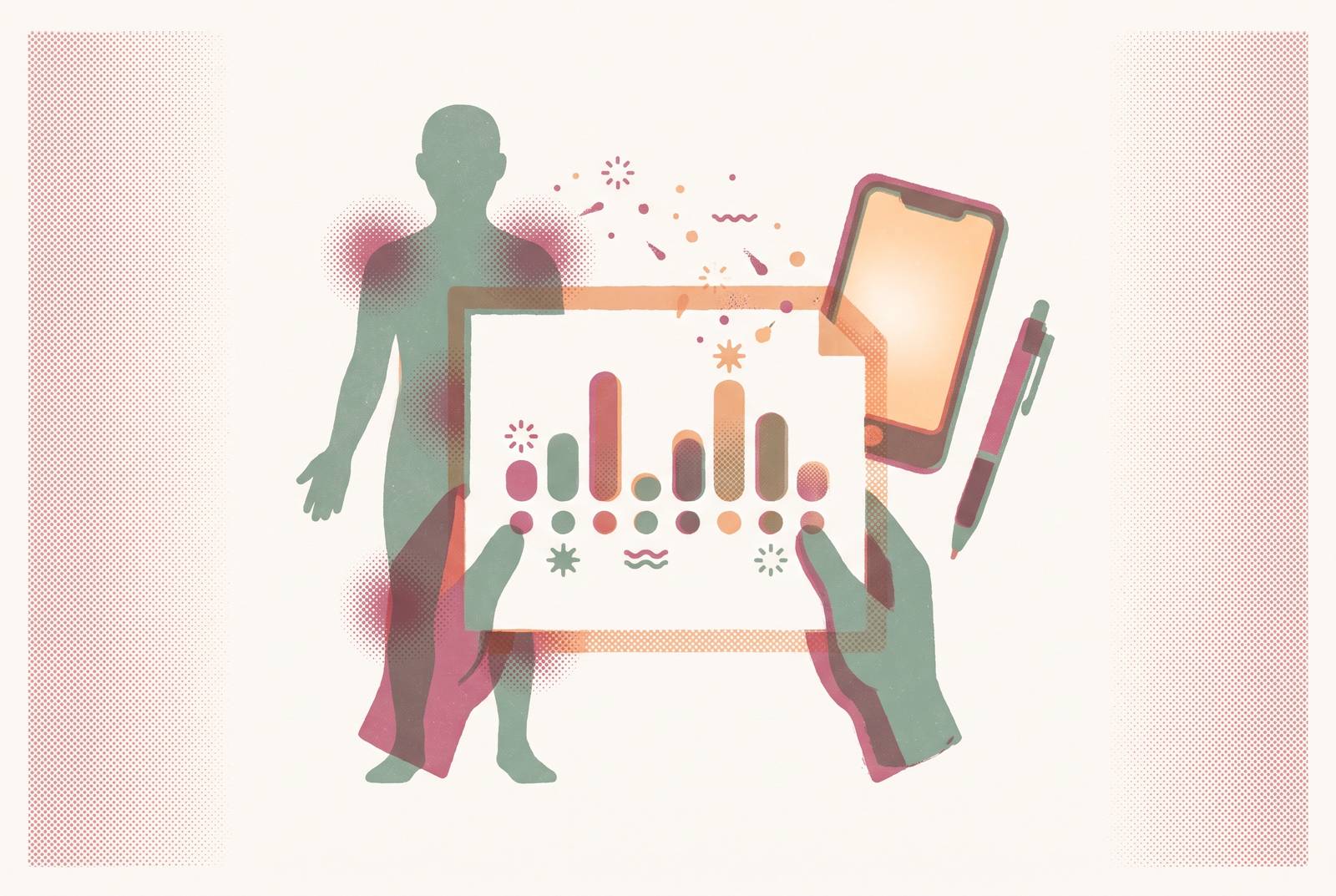
A doctor-ready appointment summary turns daily symptom records into one page that shows what changed, what may have triggered symptoms and how treatment worked. For fibromyalgia patients, whose condition has no definitive lab test, that history is a powerful clinical asset. AI-powered tracking tools can organize weeks of entries into a clear brief, reducing the consultant's reconstruction work and leaving more time to assess the evidence.
Why fibromyalgia patients carry an unusual burden of proof into every appointment
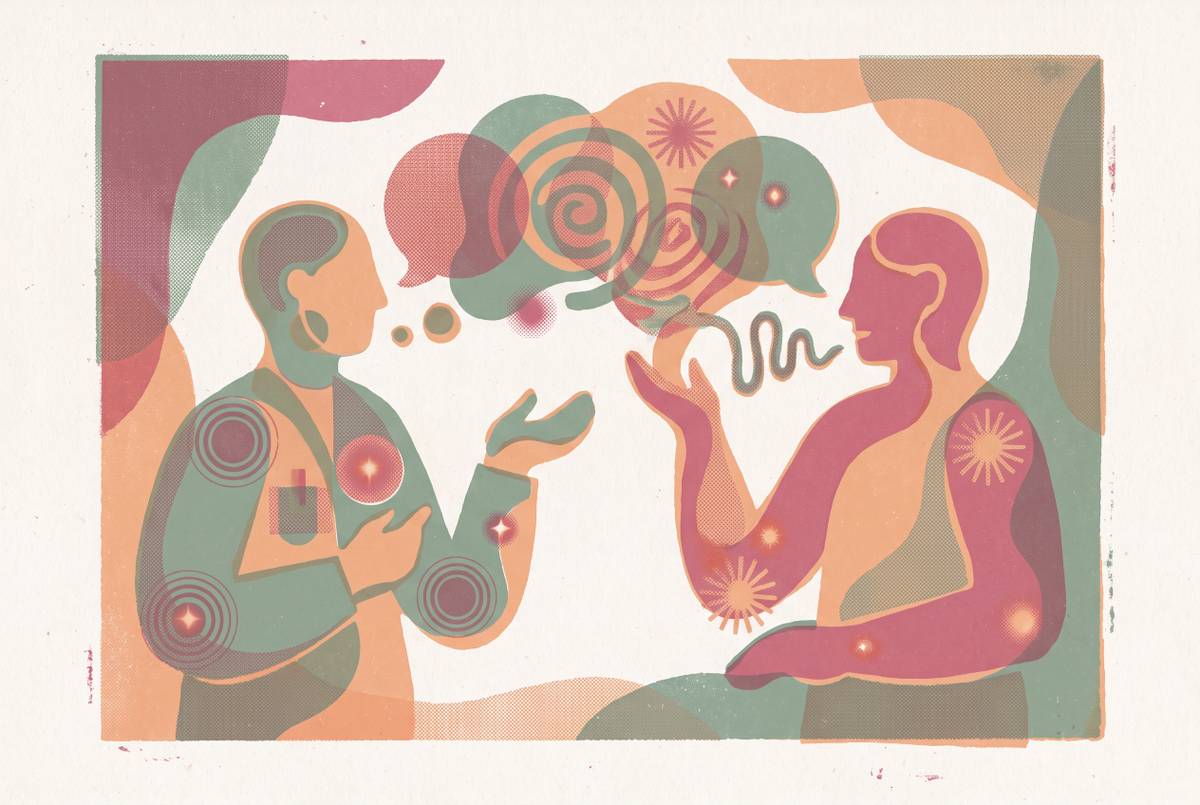
Fibromyalgia creates a mismatch between what a clinician can test and what a patient experiences between appointments. There is no definitive blood result or scan to confirm the condition, yet the consultant sees the patient for only minutes at a time. Most of the clinical story happens elsewhere. Pain moves from one part of the body to another, fatigue changes from day to day, and flares can come without a clear warning. Treatment decisions therefore depend heavily on the patient's account of symptoms that may no longer be present in the room.
Fibromyalgia is classified as a central sensitization syndrome in which the central nervous system amplifies pain signals. Its invisibility to routine tests does not make those symptoms less real. Doctors now use the Widespread Pain Index and Symptom Severity Scale for diagnosis, replacing the older tender-point exam. These criteria cover pain, fatigue and cognitive symptoms, so an orderly account gives the rheumatologist the details needed to use them. A description limited to pain leaves part of that picture out.
That puts an unusual burden on the patient. They must explain a shifting condition during short, infrequent appointments, sometimes while dealing with fatigue or difficulty finding words. Stigma and invalidation can make that task harder, especially when the account comes out in fragments. Organized records cannot guarantee a fair hearing, and patients should not have to document their lives to deserve one. But a record gives the discussion a firmer starting point than whatever can be recalled under pressure.
What a flare actually involves, and why memory alone cannot reconstruct it accurately
A flare is not simply a higher pain score. It can combine widespread pain, sleep that does not feel restorative, fibro fog, sensitivity to environmental changes and shifts in mood. The pain may move while it gets harder to concentrate or anxiety grows. Someone may struggle to follow a conversation on one day and feel physically exhausted on the next. Treating that sequence as a single bad day erases much of what happened.
The timing makes recall harder still. A person feels better on Tuesday, does more than usual and crashes on Thursday, without connecting the two events. Poor sleep on Monday may also be part of the picture. By the time the flare dominates their attention, the activity and sleep that came before it can feel unrelated. Stress, overexertion, weather changes and dietary factors are all possible triggers, but the delay makes it difficult to identify which, if any, were involved.
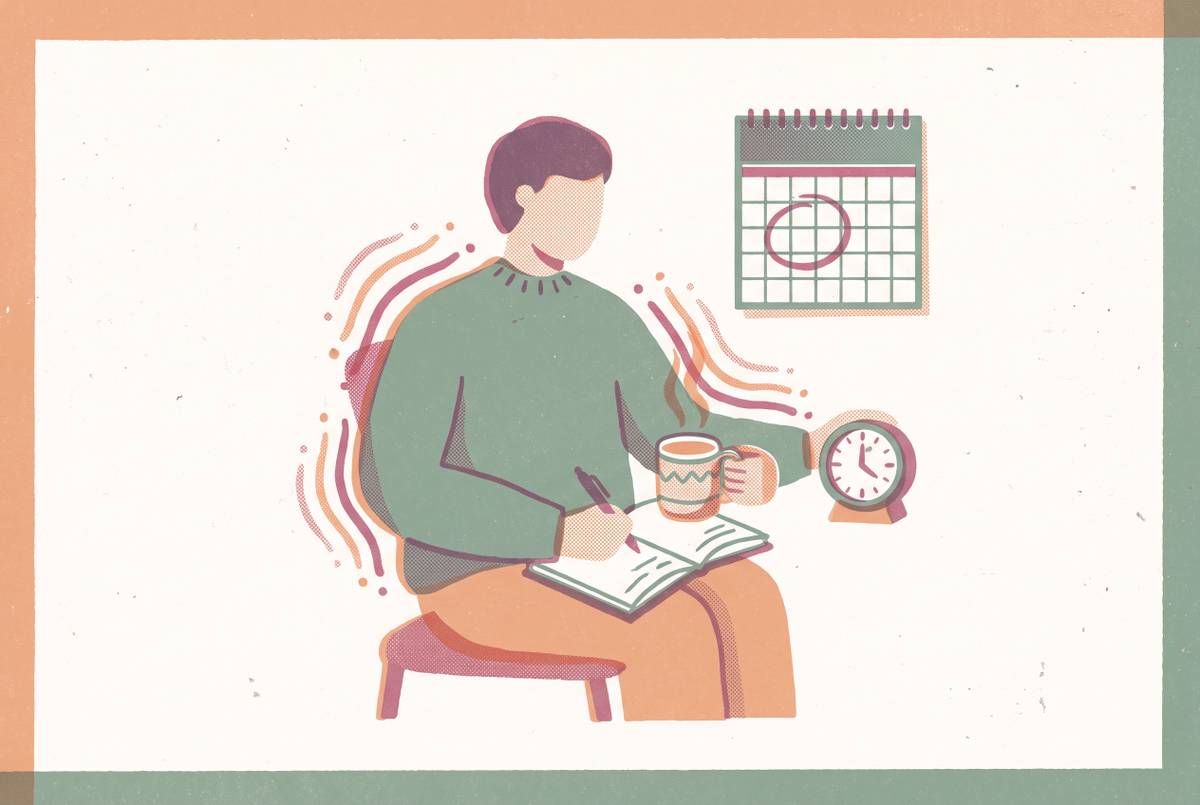
Memory tends to preserve the worst days. It is less good at holding on to the days before them that seemed ordinary, though those days may help a consultant understand what happened. The boom-bust cycle is a clear example, with more activity on a good day followed by a crash, rest and another attempt to catch up. Remembered separately, these can seem like unpredictable episodes. When seen in order, they may show when the person did more than they could tolerate and when pacing broke down.
What to log every day, and what most people leave out
To capture that sequence, the practical task is to record symptoms and the conditions around them. For pain, use a consistent 0–10 scale, note the affected areas and describe whether it feels like burning, stabbing, stiffness or aching. Location adds detail that “pain all over” cannot. Record fatigue separately, including energy at different points in the day. Pain and exhaustion are different things, and putting them together makes it harder to tell what changed.
Sleep needs more than a count of hours. Record whether it felt restorative and whether there were wakings, ideally the morning after. Fibro fog deserves its own entry, including problems with word-finding, concentration or following a conversation or task. Mood belongs in the record too. Anxiety, low mood and irritability are symptoms, and leaving them out narrows the history the consultant receives.
The most easily missed entries describe exertion. Record what was done, how much and how demanding it felt, including social activity, cognitive work and emotional labour as well as physical movement. Note stressful events even when symptoms have not yet worsened, because the connection may emerge days later. Medication entries need dose, timing and any changes. Environmental context can be simple, such as “storm coming,” temperature changes or a note about barometric pressure.
Consistency is more useful than exhaustive detail. A daily check-in that takes under a minute can keep details that a long account written once a week loses. Clarity DTx and Flare both emphasize daily consistency over completeness on any single day. That also means gaps do not make the whole record worthless. A partial record of three weeks gives a consultant more context than an attempted perfect recollection of three days.
How consistent logs reveal patterns that neither the patient nor the doctor could see before
One pain score says how bad things felt, but a series of scores can show whether pain rose after overexertion, several nights of poor sleep or a stressful week. The delay is part of the pattern. A flare that starts after stress has eased may look disconnected from it when discussed from memory. A record with dates shows when both events happened without assuming that one caused the other.
Weather sensitivity offers a concrete example. A patient may think storms make pain worse, but neither the patient nor the consultant may remember enough dates to check. Records of pain and pressure changes let them check that suspicion. Falling barometric pressure is a plausible mechanism for increased pain, but the useful question is whether this person's entries track with it. The record turns a broad impression into a specific observation for discussion.
Activity records can expose a different shape. When days with lots of activity keep leading to crash days, they form a boom-bust sawtooth across the weeks that links the setbacks. That sequence can help the consultant assess the patient's activity limit and where pacing adjustments may be needed. The record needs to include social and cognitive exertion too. Otherwise, a crash after a demanding social day could appear to have followed a day with little activity.
When dose and timing sit beside symptom entries, a change in pain or fatigue after a treatment adjustment becomes easier to assess than a vague sense that it might be helping. The same record can show that sleep, stress or activity changed during that period too. Not every log produces a clean answer. Fibromyalgia patterns can be personal, delayed and shaped by several factors at once, so useful evidence may remain uncertain.
How do AI tracking tools turn chronic illness notes into a one-page consultant summary?
Purpose-built tracking tools turn the record into a different kind of document. Instead of handing over a spreadsheet or a stack of diary entries, the patient can bring a short PDF or one-page report organized for clinical reading. It includes an executive summary, symptom timelines, possible patterns with confidence levels and medication correlations. The history is arranged so it can be assessed during an appointment.
The AI layer works across several variables at once. It can cross-reference sleep, activity, stress, weather, medication and pain across weeks of entries, surfacing associations that are difficult to spot through manual review. That analysis depends on the underlying record. If activity or sleep is missing, the tool has less context for interpreting a pain spike. And when the entries show no clear link, a useful summary should say that the incomplete data leaves the explanation unclear.
Wearables can add information without the patient having to enter it by hand. Where the tool supports it, sleep quality data from an Oura ring or Apple Watch can appear beside symptom records, making it easier to see how sleep and pain may be linked. Generating a prioritized summary the night before a consultation helps keep the most important changes from disappearing under the pressure of the visit. For someone with years of chronic illness notes, that distinction is crucial, because the immediate need is a usable account of changes and open questions.
What the consultant sees, and how a structured one-pager changes the conversation
A rheumatologist or pain specialist is trying to establish how symptoms have changed, whether treatment is working, what patterns have emerged and which adjustments may be warranted. A structured summary puts those questions together. The clinician can compare how symptoms and treatment have changed and weigh up medication, pacing, physical therapy or referral without first asking the patient to talk through what happened when. The appointment can then focus on interpretation. That is different from expecting a report to make the clinical decision.
Quieter changes become easier to discuss in that format. A gradual worsening of sleep over six weeks can be lost when the most recent flare takes over the conversation. Repeated crashes after social activity may also get left out when the patient talks mainly about physical pain. A timeline gives those changes a place beside the dramatic episodes.
Dose history is particularly useful to a prescriber. Symptom entries around changes to pregabalin, duloxetine or milnacipran can support an assessment of whether pain or fatigue shifted after the adjustment. That may help shorten medication trial and error, though the record does not establish a drug's effect by itself. Structured evidence can also give patients firmer ground when dismissal is a risk. It does not remove stigma, but specific trends are less easily reduced to a vague impression about the patient's account.
After the appointment, write down what was agreed, what changes next and what still needs to be asked, ideally before leaving the car park. Without that record, even a useful consultation can leave uncertainty about which changes the next set of entries is meant to help assess.
What tracking cannot do, and how to stay honest about the limits of AI-generated patterns
A pattern is not proof of a trigger. If bad days repeatedly follow grocery trips, the log shows a timing association. The next step is to raise that association as a question at the appointment. AI can identify connections a patient missed, but it can also identify coincidences with little clinical meaning. A confidence label does not turn an association into a diagnosis.
The type of tool also makes a difference. Consumer tracking tools are in a different group, with less regulation than clinical-grade AI developed within health systems. Their summaries are inputs for a consultant's judgment. Tracking cannot resolve the diagnostic ambiguity around fibromyalgia, which can be diagnosed when it should not be and missed when it should be identified. More entries can make a history clearer without settling whether the diagnosis is correct.
Spoon theory and pacing frameworks are well-established parts of patient-community discussions, but the evidence for specific pacing protocols is still developing and contested in parts of the clinical literature. So patients should discuss pacing strategies with the care team as well as reading instructions from an app. The tool's strongest role is more modest. It can reduce the cognitive and emotional work of keeping a complex history together, so the patient arrives with less to reconstruct and the consultant has more to work with.
Sources
- Full article: The fibromyalgia diagnosis
- Facts and myths pertaining to fibromyalgia - PMC - NIH
- Societal and individual burden of illness among fibromyalgia patients in France: Association between disease severity and OMERACT core domains
- A patient survey of the impact of fibromyalgia and the journey to diagnosis - PMC
- Characterizing fibromyalgia flares: a prospective observational study - PMC
- ViewPoint Evidence-Based Self-Management Strategies for Fibromyalgia:
- A Comprehensive Evaluation of Standardized Assessment Tools in the Diagnosis of Fibromyalgia and in the Assessment of Fibromyalgia Severity