Fibromyalgia and Sleep Disruption Patterns
How broken sleep architecture, not just poor sleep, fuels fibromyalgia's pain cycle.
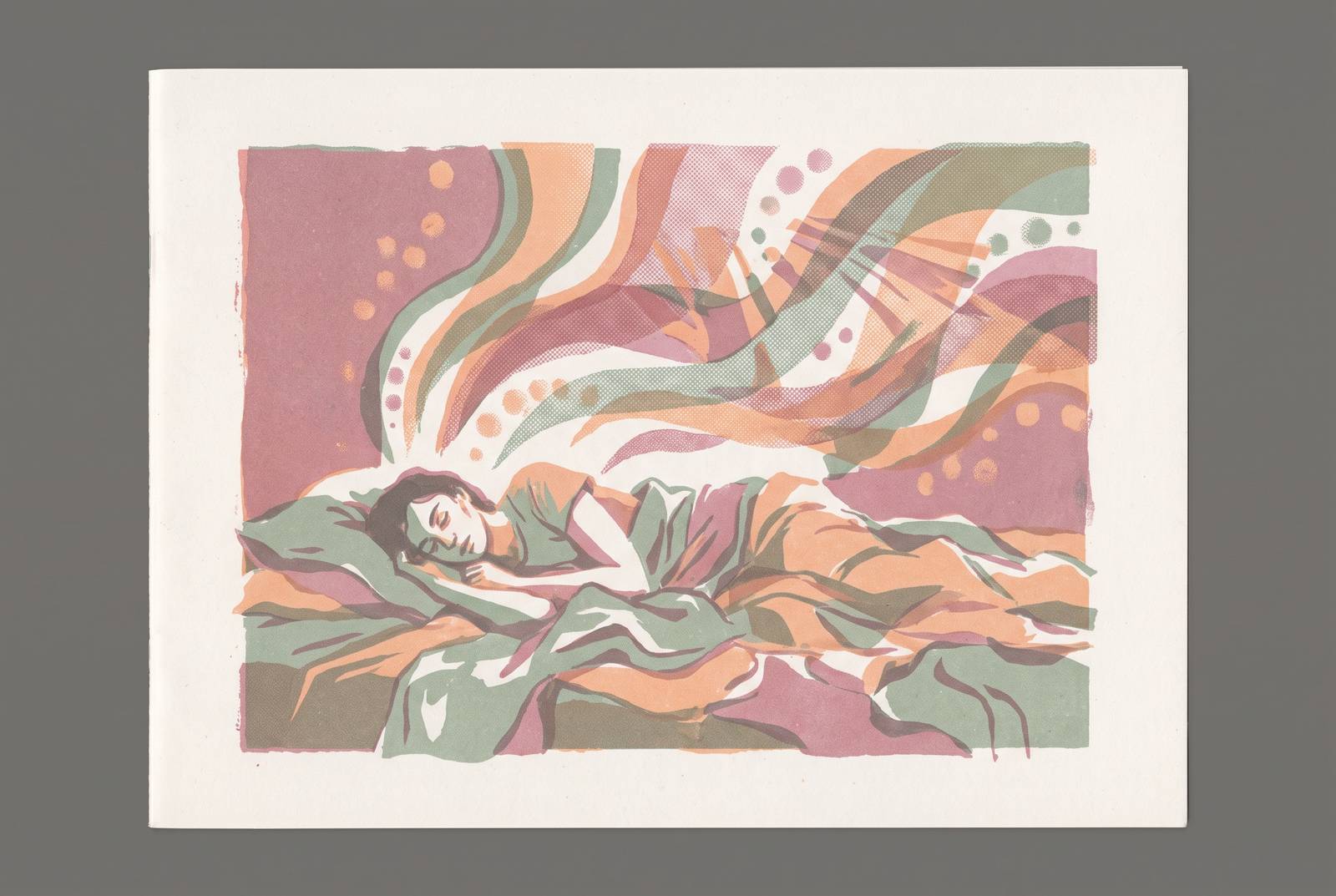
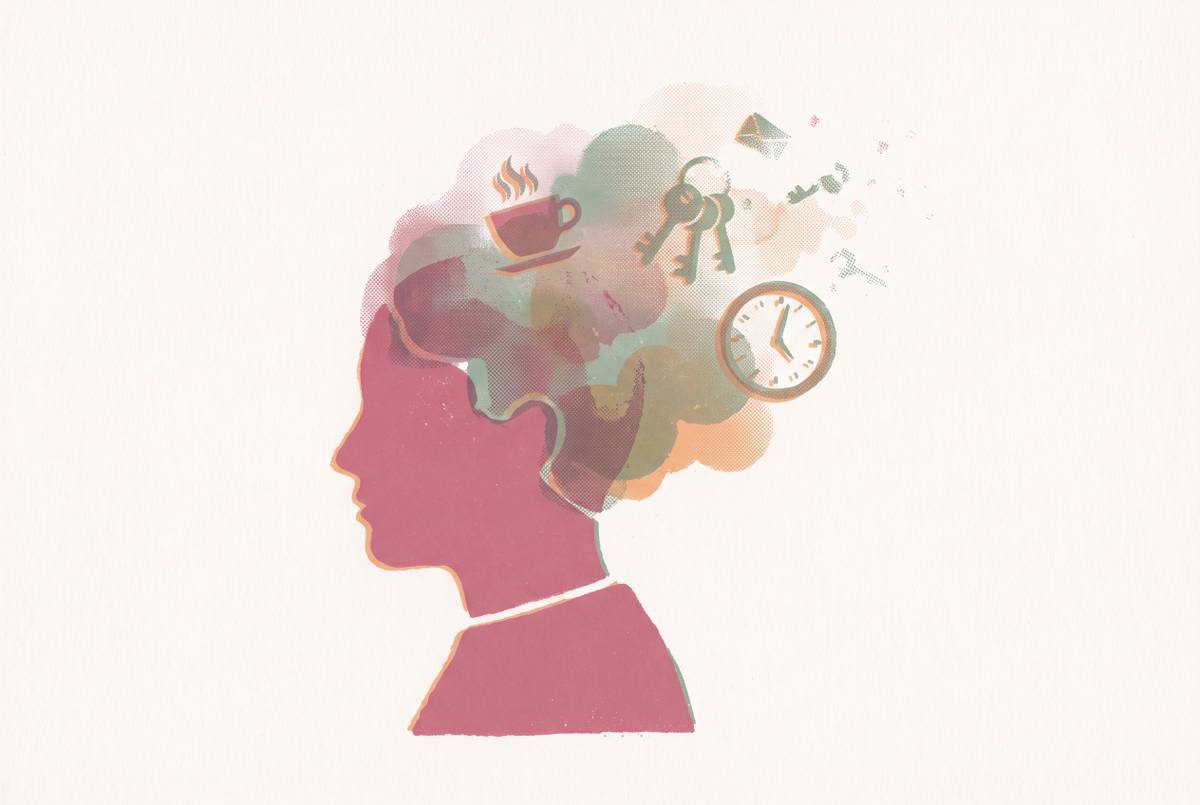
Waking up after eight hours in bed and feeling worse than when you laid down isn't a fluke, and it isn't "bad sleep" in the way most people use that phrase. In fibromyalgia (FM), disrupted sleep and chronic pain feed each other through a specific, identifiable loop in the nervous system. Treating them as separate problems on separate timelines is the single biggest mistake in how FM gets managed, and it's the mistake this piece is here to correct. An estimated 10 million people in the U.S. live with FM, alongside 1.7 million adults in the UK and somewhere between 3% and 6% of the global population. Roughly 92% report sleep problems, and the average person waits about five years for a diagnosis: five years of waking up exhausted with no name for why, and often no clinician connecting the two problems at all.
What fibromyalgia does to sleep architecture
Normal sleep runs through a predictable sequence: light non-REM stages, deep slow-wave sleep (also called delta sleep), then REM. Slow-wave sleep is where the body does most of its physical repair work. It's the deepest, quietest part of the night, and it's the part FM damages hardest.
People with fibromyalgia show measurably lower sleep efficiency, more awakenings through the night, and a real drop in how much slow-wave sleep they get. The clearest marker is what sleep researchers call the alpha-delta anomaly: faster alpha brain waves, the kind normally seen during quiet wakefulness, intrude into stages 3 and 4 of non-REM sleep. Part of the brain stays half-alert during the exact stage that's supposed to be the most restorative. More than 75% of FM patients report sleep that doesn't refresh them, and alpha intrusion is the leading explanation. Not sleep hygiene, not stress, not poor habits. Blaming habits is exactly where a lot of care goes wrong, because no amount of blackout curtains fixes a brain wave pattern.
The thalamus looks like the source of the misfire. It regulates arousal, controlled by GABA and cholinergic signaling, and in FM that regulation seems to break down specifically during sleep. On top of that, around half of FM patients also deal with a separate sleep disorder like obstructive sleep apnea-hypopnea syndrome, according to a 2026 scoping review in the Journal of Sleep Research. That's a second disruption stacked on the first, which is exactly why a single sleep study or a single fix rarely resolves the whole picture.
FM sleep deserves separating from insomnia as people usually think of it. Insomnia is trouble falling or staying asleep. FM runs deeper: someone can stay asleep for eight uninterrupted hours and still wake up wrecked, because the architecture of that sleep, not the duration, is what's compromised. Confusing the two is how a person ends up on a sleep aid that helps them stay unconscious for longer without ever touching the alpha intrusion underneath, which is the wrong prescription for the actual problem.
There's a newer, stranger thread in the research too. Research has found that FM patients may have a significantly smaller pineal gland, the structure that produces melatonin, than people without the condition. That points to something hormonal running alongside the neurological piece, not separate from it. Nobody has fully worked out what that means yet, but it's a strong signal that FM's sleep problems aren't purely a brain-wiring issue.
How disrupted sleep amplifies pain, and how pain disrupts sleep in return
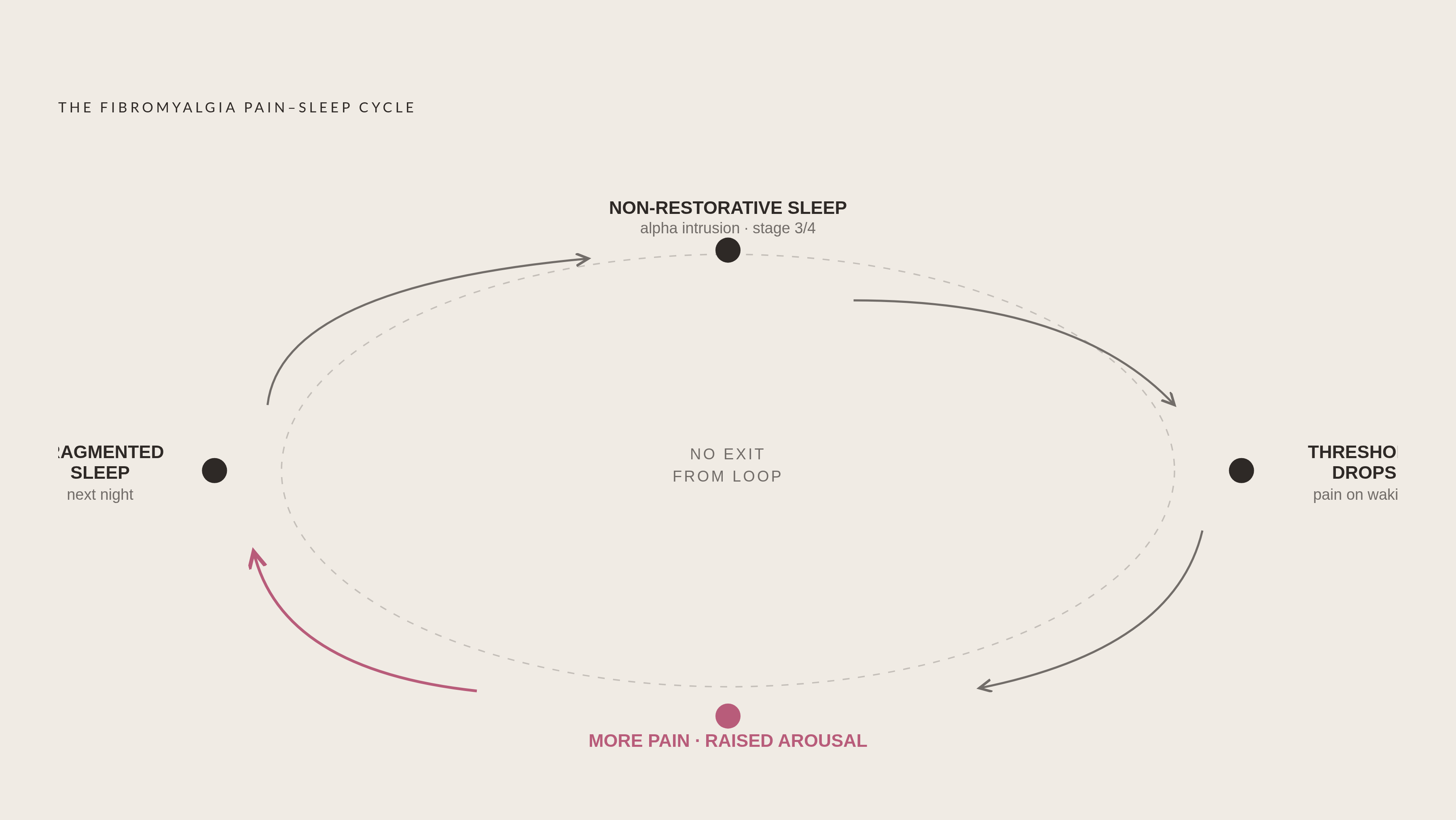
The loop, stated plainly: sleep that isn't restorative lowers the body's pain threshold. Lower threshold means more pain the next day. More pain raises physical arousal, which fragments the following night's sleep, and fragmented sleep lowers the threshold further. Each cycle sets up the next one, and there's no natural point where it runs out of momentum on its own.
This isn't correlation dressed up as causation. Research has shown the alpha-EEG pattern can be reproduced in healthy volunteers by deliberately disrupting their stage 4 non-REM sleep, with those volunteers waking up reporting more pain and less energy, with nothing else in their bodies changed. That's about as close to direct proof as sleep research gets.
The most severe version is called phasic alpha, where alpha waves fire at the same instant as delta waves: two conflicting signals colliding in the same moment. Among FM patients showing this pattern, 100% reported worse pain immediately on waking, and 90% showed an increase in tender points afterward. That's close to universal, and it's the strongest single piece of evidence that sleep architecture, not just sleep duration, drives next-day pain.
Inflammation adds another layer. Worse FM severity tracks with higher CRP and ESR, and poor sleep drives inflammation up, which sensitizes the nervous system to pain signals further. A loop inside the loop. Research in the pain literature has consistently found that sleep problems predict next-day pain, not the other way around.
So the common instinct, waiting for pain to calm down before addressing sleep, has the sequence backward. Sleep isn't a downstream casualty waiting on pain to improve first. It's one of the levers steering pain, and treating the two on separate timelines just lets the loop reset itself every night. Anyone still managing FM by chasing pain scores first and sleep second is managing it wrong.
The psychological layer that locks the cycle in place
A 2025 study out of Uppsala University and the Karolinska Institutet, published in the Journal of Sleep Research, followed 253 women with fibromyalgia using path analysis. Poor sleep quality directly raised both pain catastrophizing and depression, and those two together drove functional impairment: the everyday inability to get things done. Combined, sleep, catastrophizing, and depression accounted for 32.5% of the variance in how impaired someone's daily function was.
Pain severity itself wasn't significantly linked to functional outcomes in that model, and this is the finding that should reshape how FM gets treated. The psychological route from bad sleep, not the raw intensity of pain, explained disability. Clinics built entirely around pain scores are aiming at the wrong target, and that's not a small correction. It means a lot of standard care optimizes for the variable that matters less.
Pain catastrophizing is a specific cognitive pattern, where pain gets processed as an uncontrollable threat instead of a manageable sensation. FM patients score notably high on this measure, and brain imaging shows catastrophizing changes how the brain processes incoming pain signals. That's not thinking negatively, it's a measurable shift in neural processing. Calling it a mindset problem undersells what's happening, and honestly, it insults the people living with it.
A separate 2025 study covering FM patients found sleep disturbance sits in the middle of the relationship between repetitive negative thinking (worry, rumination) and next-day pain intensity. Nighttime mental activity shapes what the body reports the next morning, and it does so through sleep, not around it.
There's a self-compassion piece too, and it doesn't get enough attention. FM patients score notably lower on the Self-Compassion Scale than people without the condition (2.68 versus 3.64 in one comparison), and that gap correlates strongly with depression. Harsh self-judgment for not sleeping "right" becomes its own source of nighttime arousal, feeding right back into the disruption it's reacting to.
Put together, the loop closes on itself: poor sleep leads to catastrophizing and depression, which drive functional impairment, which erodes confidence in one's ability to cope, which worsens mood, which worsens sleep again.
The emotional and mental health burden that runs alongside the cycle
A meta-analysis pulling together 92 studies found that close to 51% of FM patients have depression, and 47% experience anxiety. Separately, up to 70% of people with FM meet criteria for a mood or anxiety disorder at some point over the course of living with the condition. This is close to a defining feature of the condition over time, not an occasional side effect.
Shared biology explains a good chunk of it, not simple cause and effect. Serotonin and norepinephrine, the neurotransmitter systems that regulate mood, are dysregulated in FM the same way they're tangled up in pain processing. Depression and anxiety in FM aren't just emotional reactions to living with chronic pain, they run on the same physiological wiring as the pain itself. Routing mood symptoms to a separate referral, disconnected from the pain and sleep picture, misreads the biology from the start. It's one of the more common ways FM care fragments into pieces that don't talk to each other, and it's a mistake worth naming directly.
The five-year average diagnostic delay compounds all of it. Long stretches without a name for what's happening, combined with reports of inadequate care along the way, push a lot of people toward self-management and online patient communities simply because the formal system hasn't given them answers. There's a social layer stacked on the medical one too: FM is invisible from the outside, frequently disbelieved by people who don't have it, and poorly understood even among some clinicians. That isolation doesn't sit quietly next to the sleep-pain cycle. It amplifies every part of it.
What the evidence currently supports for improving sleep in fibromyalgia
Treating FM-related sleep disruption is still an open problem. No single treatment has emerged as the clear answer, and the underlying mechanisms, while increasingly well mapped, aren't fully settled.
On the non-drug side, expert consensus recommendations include patient education, sleep hygiene, aerobic exercise, and cognitive behavioral therapy (CBT) as core interventions across FM symptoms generally, not sleep specifically. A network meta-analysis of randomized controlled trials found mindfulness-based therapy produced a significant improvement in sleep symptoms, with CBT showing a smaller but still significant effect.
The type of CBT matters, and this is where a lot of referrals go wrong. The evidence distinguishes between CBT types, and the variant matched to the target symptom matters. Sending an FM patient to a mismatched CBT approach and expecting their sleep to improve risks a mismatch between the tool and the target, full stop.
Other non-drug approaches, including dietary changes, manual therapy, and biofeedback, showed mixed and often non-significant results in the 2026 scoping review. Heart rate variability biofeedback specifically was tested in a Phase II randomized trial by Carta and colleagues in 2024, published in the Journal of Psychosomatic Research, and found no statistically significant improvement in sleep quality over the control group. Worth knowing before spending money on a biofeedback device expecting it to fix sleep on its own: right now the evidence doesn't back that expectation up, no matter how the marketing reads.
On the pharmacological side, sodium oxybate has clinical trial evidence suggesting it targets sleep architecture disruption and has shown benefits for both pain and fatigue in FM. That's notable because it targets the exact mechanism described earlier, rather than sleep in general. Orexin receptor antagonists, a newer drug class that blocks the brain's wakefulness signals, show promise for patients whose sleep problems are driven by hyperarousal, helping them both fall into and stay in deeper sleep stages. The 2026 scoping review names suvorexant (an orexin antagonist) and repetitive transcranial magnetic stimulation (rTMS) as the two approaches currently showing the strongest, most statistically significant improvement across both sleep quality and core FM symptoms.
The field still has a real gap. Studies vary widely in what they test and how they measure it, and researchers keep calling for larger trials that use objective sleep measurements as the primary outcome instead of self-report alone. None of this points to a cure. It points to loosening the cycle's grip, and even a modest gain in sleep quality shows up downstream in pain, mood, and how much a person can get done in a day.
How to track the cycle in a way that actually helps
FM's day-to-day variability makes casual self-monitoring close to useless. The cycle moves slowly enough that a rough morning doesn't feel connected to two nights of fragmented sleep earlier in the week. The pattern hides in plain sight unless someone actually records it, and relying on memory alone is close to guaranteed to miss it.
Worth tracking: whether sleep felt restorative (not just how many hours it lasted), pain first thing in the morning versus at day's end, energy through the day, mood, activity level, and any medication or intervention tried. A single night of data says almost nothing. A month of it can show whether a specific trigger, a stressful day, a medication change, overexertion, reliably wrecks that night's sleep and shows up as worse pain the following day.
The Uppsala path analysis points to something practical here: the psychological route from bad sleep, including catastrophizing and mood, explained a meaningful share of daily functional impairment, making those variables worth tracking alongside pain and sleep. That's a different thing to log than most people default to, and it's the one most trackers skip entirely, usually because no one told them mood and sleep quality mattered as much as the pain number itself.
Logging method matters more than it sounds like it should. Cognitive fog and pain in the hands and arms, both common in FM, make typing a daily log inconsistent at best, especially on the exact days the data matters most. Tools that accept voice input lower that barrier considerably, and skipping this detail is why so many well-intentioned tracking habits die out after two weeks.
There's a clinical payoff too. Given how long FM diagnosis and treatment tend to drag on, showing up with time-stamped, structured records of sleep, pain, and mood gives a clinician something concrete to work from, instead of a rushed verbal recap under a 15-minute appointment clock. And once the pattern is visible, pacing becomes proactive instead of reactive: if the data shows a bad night reliably means a bad day, activity gets scaled back in advance instead of after the crash has already hit.
AI health companions built specifically around chronic illness, ones designed to pull patterns out of sleep, activity, medication, and symptom data together, fit this kind of tracking well. Skip the generic wellness app that assumes every day looks like the last one, because that assumption is precisely what FM breaks. Look for a tool built to handle FM's non-linear, unpredictable nature instead.
What understanding the cycle changes about living with fibromyalgia
Knowing that a painful, foggy morning comes from an identifiable neurological process, not from failing to relax enough or having a bad attitude, changes the relationship a person has with their own body. The alpha-delta anomaly, the thalamic misfire, the inflammatory loop: these are measurable, studied, and real. Nobody living with this is imagining a connection that isn't there.
That matters directly against the self-compassion gap covered earlier. Given how much more harshly FM patients judge themselves compared to people without the condition, understanding the actual mechanism works as a form of self-advocacy. It replaces self-blame with an accurate account of what's happening in the body each night.
It also changes the conversation worth having with a clinician, and the evidence base now exists to support that exact conversation, down to which CBT variant to ask for and which drug class targets which mechanism. Walking in asking for pain-focused CBT when the sleep data calls for mindfulness-based therapy is a wasted referral, and knowing the difference in advance is leverage.
Community counts too. The isolation of an invisible, often-doubted condition is a documented part of FM's burden. Connecting with people living inside the same sleep-pain reality isn't a nice extra on top of treatment. It's part of managing the condition itself.
The research keeps moving. rTMS and orexin-targeted drugs are genuinely new directions that didn't exist as options a decade ago, and the treatment landscape for FM sleep isn't sitting still. Staying current on where that research goes is its own form of self-management.
The cycle can be interrupted. Not easily, and not completely, but measurably, and understanding exactly what's happening in the body each night is where that starts.
Sources
- Impact of Sleep Disturbances Treatment in Patients With Fibromyalgia: A Scoping Review
- In the End: Associations Between Sleep Disturbance and Functional Impairment in Fibromyalgia—A Path Analysis Study - Bothelius - 2026 - Journal of Sleep Research - Wiley Online Library
- In the End: Associations Between Sleep Disturbance and Functional Impairment in Fibromyalgia—A Path Analysis Study
- Investigation of the relationship of sleep disorder occurring in fibromyalgia with central nervous system and pineal gland volume
- Sleep Quality, Pain, Worry, and Rumination in Fibromyalgia: Results from Mediation Analyses
- A study on the effect of fibromyalgia severity on sleep quality using inflammatory markers
- researchgate.net
- rthm.com