The Symptom Logger That Listens When Fibromyalgia Steals Your Hands
Voice logs let you record fibromyalgia flares without typing or holding steady focus.
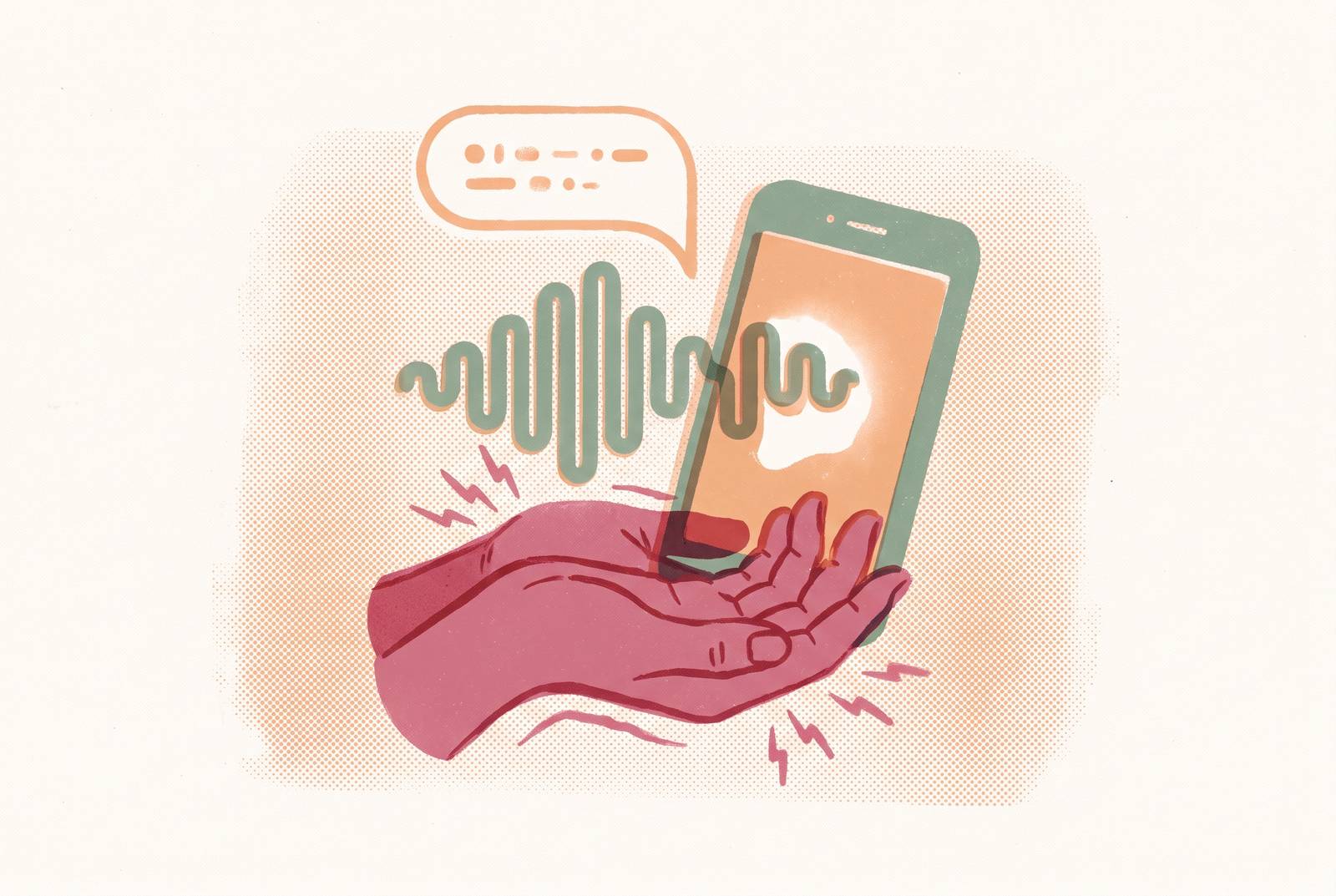
Fibromyalgia symptom tracking should not depend on having steady hands, clear thoughts, and energy to spare. Yet many logging methods demand exactly that. Voice logging offers a better fit for bad days because it lets you describe what is happening without wrestling with a form.
Why fibromyalgia makes tracking feel impossible on the days it matters most
You reach for your phone on a flare day and do not make it past the first field. Your hands hurt, you cannot keep your attention on the screen, and deciding how to rate everything feels like another task. Nothing has been recorded, but effort has already been spent. This is not a failure to care about your health. The symptoms you need to capture are blocking the means of capturing them.
Pain, fibro fog, and fatigue converge here. Pain affecting the hands can make fine movements difficult, while fog disrupts recall, focus, and the ability to retain new information. Fatigue makes even brief effort costly. Unlike blood glucose, pain has no clear number that you can copy into a box. It shifts, feels different from one episode to another, and asks you to interpret it before recording it.
Pacing adds another demand to that effort. Energy Envelope Theory, originally developed for ME/CFS and also applied to fibromyalgia, and Spoon Theory give people ways to think about limited energy. But recognising a boom-bust pattern depends on knowing what you did and what followed. Recording that information uses the very energy you are trying to ration.
What fibromyalgia actually disrupts beyond pain
The difficulty extends well beyond sore hands. Fibromyalgia affects physical, psychological, and social functioning, so a useful record needs room for more than pain intensity. Fatigue can disrupt work and family responsibilities, while unpredictable symptoms strain relationships.
The loss of valued activities has its own weight. Illness intrusiveness is how a condition gets in the way of someone’s interests, lifestyle, and day-to-day life. Physical and emotional pain can then form a double burden, especially when neither receives much acknowledgement. Because fibromyalgia has no objective biomarkers, women with the condition face stigma and scepticism that can become self-doubt. Being disbelieved does not make the symptoms less disruptive.
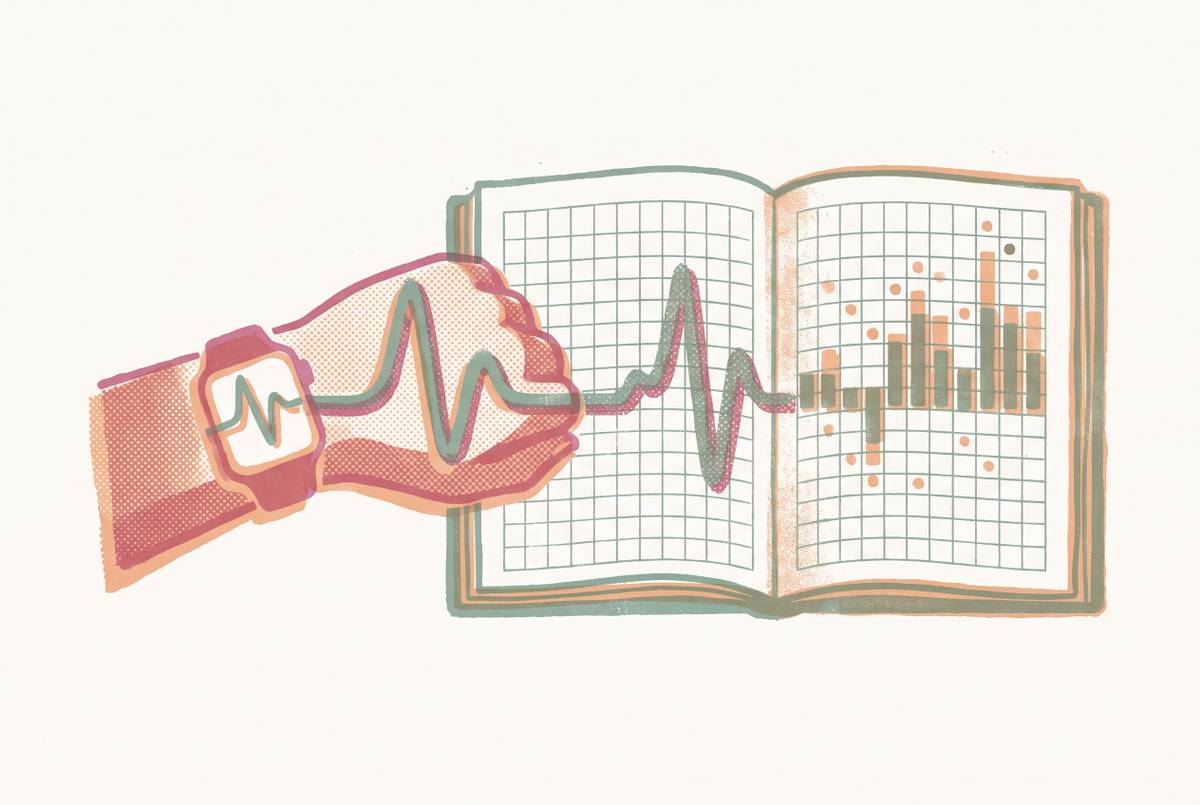
That wider impact is also hard to reconstruct later. Fibro fog may make it hard to remember yesterday, let alone what happened two weeks ago. Memory tends to favour the immediate, and how you feel during an appointment can colour your account of the weeks before it. A record preserves some of what the present moment would otherwise obscure, including the effects on daily life that a pain rating misses.
Why consistent tracking is worth protecting even on the worst days
Most self-management happens between appointments, away from the clinician’s view. It includes spotting patterns, changing daily habits, tracking when medication is taken and how well it is tolerated, and keeping track of sleep and activity. Without a record, all those details have to be kept in memory. The worst days are particularly costly to lose because they show how far symptoms can disrupt ordinary functioning.
Patterns also need time to become visible. A flare might escalate two weeks before a hormonal cycle, persist, and then improve. Entries across that period can reveal the sequence, whereas an appointment every few months cannot reliably reconstruct it from recall alone. Keeping up the habit helps preserve that longer view, with no need to meet a daily quota.
Specific detail changes the clinical conversation. A record showing that it takes a long time to recover from making meals, focusing at work, or showering says more than a broad description of tiredness. At the appointment, the clinician has something concrete to discuss rather than an exhausted patient trying to compress months into a vague account.
How voice logging dissolves the barrier that defeats other methods
A form asks you to perform several tasks before it can hold your story. You need precise touch, screen focus, memory of where to go, and enough concentration to translate an experience into fields. Those are the capacities fibromyalgia can erode on a bad day. Making the form shorter may reduce the work, but it does not change the kind of work being demanded.
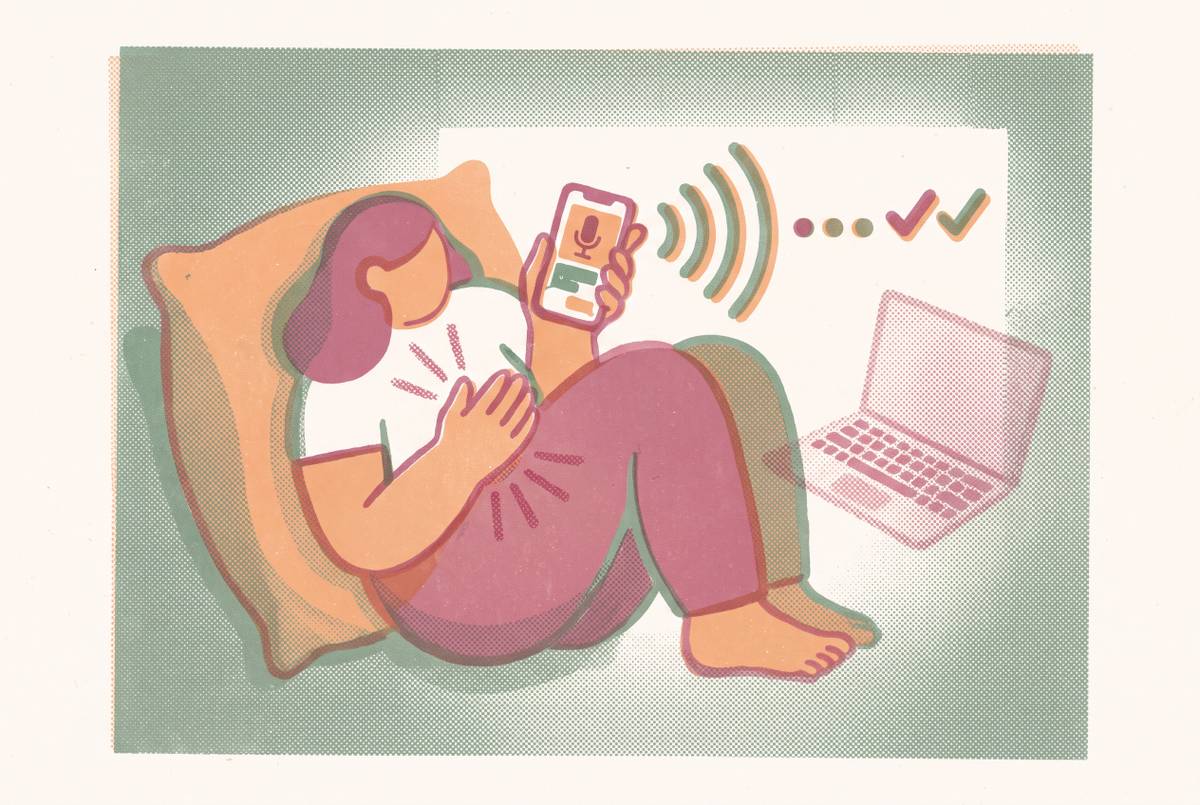
Speaking changes the task itself. Once you can record, saying your symptoms aloud does not require you to type, hold yourself in a position to write, or remember which field belongs where. It is as familiar as telling someone how you feel. Voice-to-text can work better on a foggy day than a screen that makes you sort out what to say before you enter it.
Speaking still takes effort, and fog can affect what you remember to say. Voice logging removes the need to make sore hands and tired attention operate a form. In Spoon Theory terms, if the entry costs fewer spoons, more remain for the rest of the day.
What to actually log on a fibromyalgia bad day — and what context to add
For a useful bad-day entry, start with what feels most noticeable. Describe where the pain is, what it feels like, and how intense it is. Add fatigue or energy, fibro fog, and sleep from the previous night when you can. You do not need to cover everything. Pain, energy, and one piece of context are a useful starting point when a longer account would mean recording nothing.
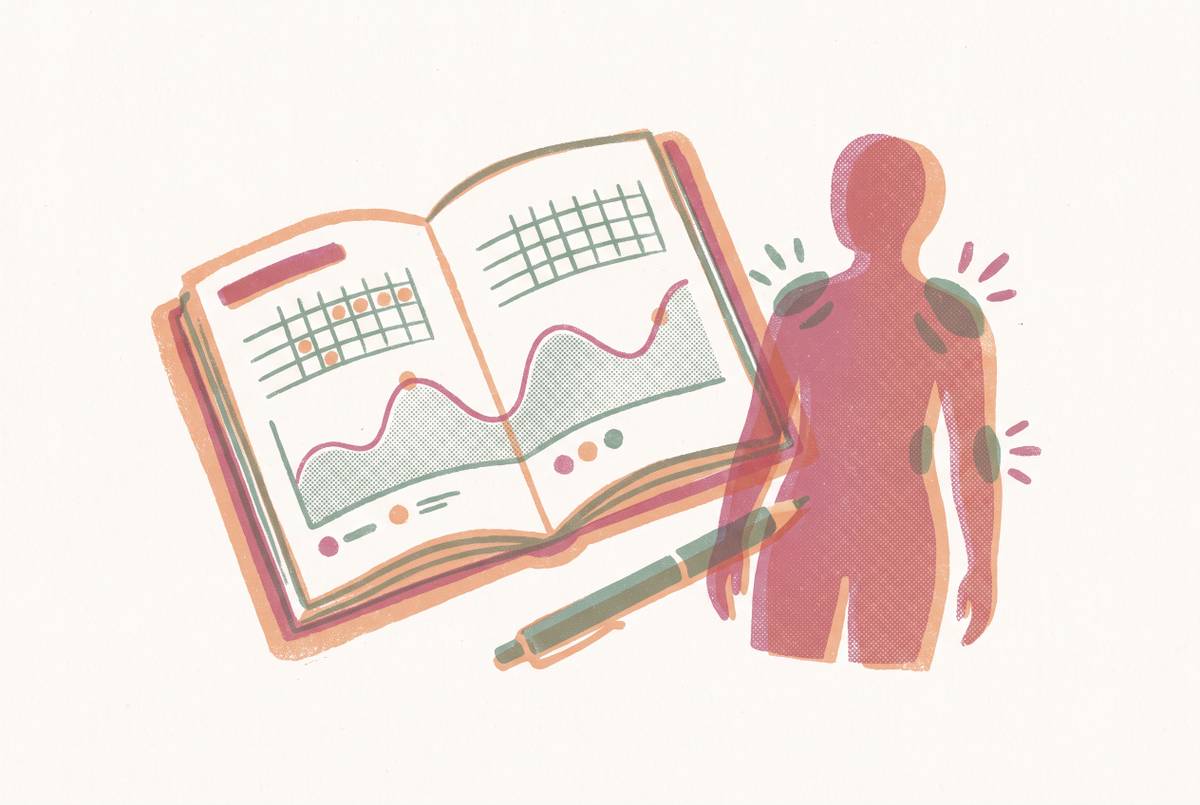
Context helps separate one difficult day from a developing pattern. Note what preceded a flare, which symptom changed first, and how long it lasted. Rest, crashes, and any post-exertional impact should go in the record too. These details help show the relationship between activity and symptoms, rather than leaving the record as a series of isolated pain scores.
A brief, 30-second entry might cover hand pain, low energy after poor sleep, and the need to rest after preparing a meal. If you miss a day, note the gap and look for patterns in the entries that exist.
Tools available now for fibromyalgia voice and low-effort logging
The options in this 2026 guide address different parts of the burden, including pain recording, appointment reports, and guided support. They are not interchangeable. The product details below do not establish voice logging for each tool, so a useful report feature should not be mistaken for a confirmed hands-free entry method. The right fit depends on which part of tracking is hardest for you.
Manage My Pain focuses on logging pain in detail and making reports ready for a clinician, with a summary of recent symptoms in one document. It is available on iOS and Android, with plans available from a low monthly fee in the US App Store. Paid plans unlock longer history. Its emphasis on reports suits patients preparing for rheumatology or primary care appointments, where a clear account of recent pain can support the discussion.
Flare, Chronic Pain Tracker, is a free iPhone pain diary that can be used without an account. It is built for quick daily logging and generates appointment-ready PDF reports for clinical use. Optional features can show trends, track a course of medication, and help make sense of weather and sleep patterns. Its strength is the connection between brief entries and a report that can be taken into an appointment.
Lin Health is a digital chronic pain program built by clinicians, with more guidance than a tracker people use on their own. It pairs users with a trained recovery coach and an app-based plan drawing on CBT, acceptance and commitment therapy, emotional awareness and expression therapy, and pain reprocessing therapy. It is covered by Medicare and most commercial insurance plans in select US states, with broadest coverage in CO, TX, FL, CA, and NY. Eligible patients often have little or no out-of-pocket cost.
Turning a voice log into something a clinician can use
A clinician benefits from a one-page overview that can be read in under a minute and shows what changed, what stayed consistent, and what you want to discuss. Appointment time is limited. Preparing around two or three issues gives the conversation a focus, without treating that number as a fixed limit for every visit.
To prepare that overview, focus on change since the last appointment. Include what worsened, what improved, any new possible triggers, and medication changes with the effects that followed. Keep the symptom description concise and bring the questions you want answered. The entries behind the summary give more context, so every detail does not have to fit into the start of the conversation.
A printed or emailed report starts an exchange. It does not replace your account or require the clinician to accept every apparent pattern as an explanation. It gives both of you something specific to explore. Instead of arriving exhausted and trying to remember what happened, you can arrive exhausted with the history already set down.
What to watch for when any AI tool is involved in your health tracking
AI can help organise health information, but it can also give medical information that is false. Some consumer-facing tools lack adequate safeguards against that risk. A fluent answer is not necessarily an accurate one. For someone already dealing with scepticism or misdiagnosis, guesses that sound certain can make things more confusing and harder to understand.
The distinction is between recording an experience and claiming to explain it. Surfacing a possible pattern is different from diagnosing its cause or recommending treatment. Too much reassurance is a problem too, especially when an answer looks clinical but has no clinical authority behind it. Tools that clearly acknowledge these limits are better suited to supporting care than tools that blur them.
Privacy deserves equally direct questions. Ask what an app collects, how the information is stored, and whether it is shared. Symptom records contain sensitive details, especially for a condition that already attracts stigma. Before sharing an AI-assisted summary, review it against your entries. The tool should help preserve your account using only claims you made.
Why tracking on the worst days is an act of self-advocacy, not self-discipline
A voice note on a flare day preserves your account of what your body is doing. Its purpose is not to prove that you tried hard enough. When other people’s doubt has become self-doubt, a record can hold experiences that are otherwise easy to minimise later. That evidence belongs to you, whether or not every entry reaches a clinician.
A 2026 qualitative study examined women with fibromyalgia participating in a structured multidisciplinary intervention. After completing it, the women reported accepting fibromyalgia as an integrated part of their lives and reframing their understanding of the illness and its consequences. That finding is about the intervention and does not prove that tracking alone leads to acceptance. Still, a light recording habit can fit within self-management without becoming a second job.
Energy notes also give language to experiences others cannot see. Recording the rest an activity required can help explain its cost to a clinician, a family member, or someone in a community that understands limited spoons. Tracking will not remove the illness or make every conversation easy. But it can give your experience somewhere to remain intact, so that it can be heard in your own record, in the consulting room, and among people who get it.